
Parent Corner #34: Give it Away

Troy Farley • FCA Sports Leagues Director
October 3, 2026

5 Minute Read

There is an idea about purpose that I haven't been able to shake from a quote I recently read:

The purpose of life is to DISCOVER your gifts.
The work of life is to DEVELOP your gifts.
The meaning of life is to GIVE your gifts away.
  • Discover.
  • Develop.
  • Give.

Those three words take me back a long way.

Years ago, I felt like God gave me a compass for what I was supposed to spend my life doing:

Help people DISCOVER and DEVELOP their gifts for Jesus.

The older I get, the more I realize how much that compass has shaped my life. And honestly, it explains a lot about why I care so much about FCA Sports.

Why 46 Weeks?

We operate FCA Sports nearly year-round.

46 weeks throughout the calendar year.

Sometimes I look at that number and think we're crazy.

Soccer becomes basketball - Basketball becomes soccer again - Then volleyball - Camps. Flag football - Cheer - REPEAT and around we go.

But the sports have never really been the point.
They're the opportunity.

Every practice, game, conversation, win, loss, mistake, new friendship and hard moment gives a kid another opportunity to discover something about who God created them to be.

Maybe a kid discovers:

  • I can lead.
  • I love encouraging people.
  • I'm a great teammate.
  • I can do hard things.
  • I'm good at bringing people together.
  • I care about the kid nobody else notices.

And yes, sometimes they discover they can really shoot a basketball, kick a soccer ball or throw a football.

That's great too.

Because gifts come in all kinds of packages.

The question is what happens next.

DISCOVER Isn't Enough

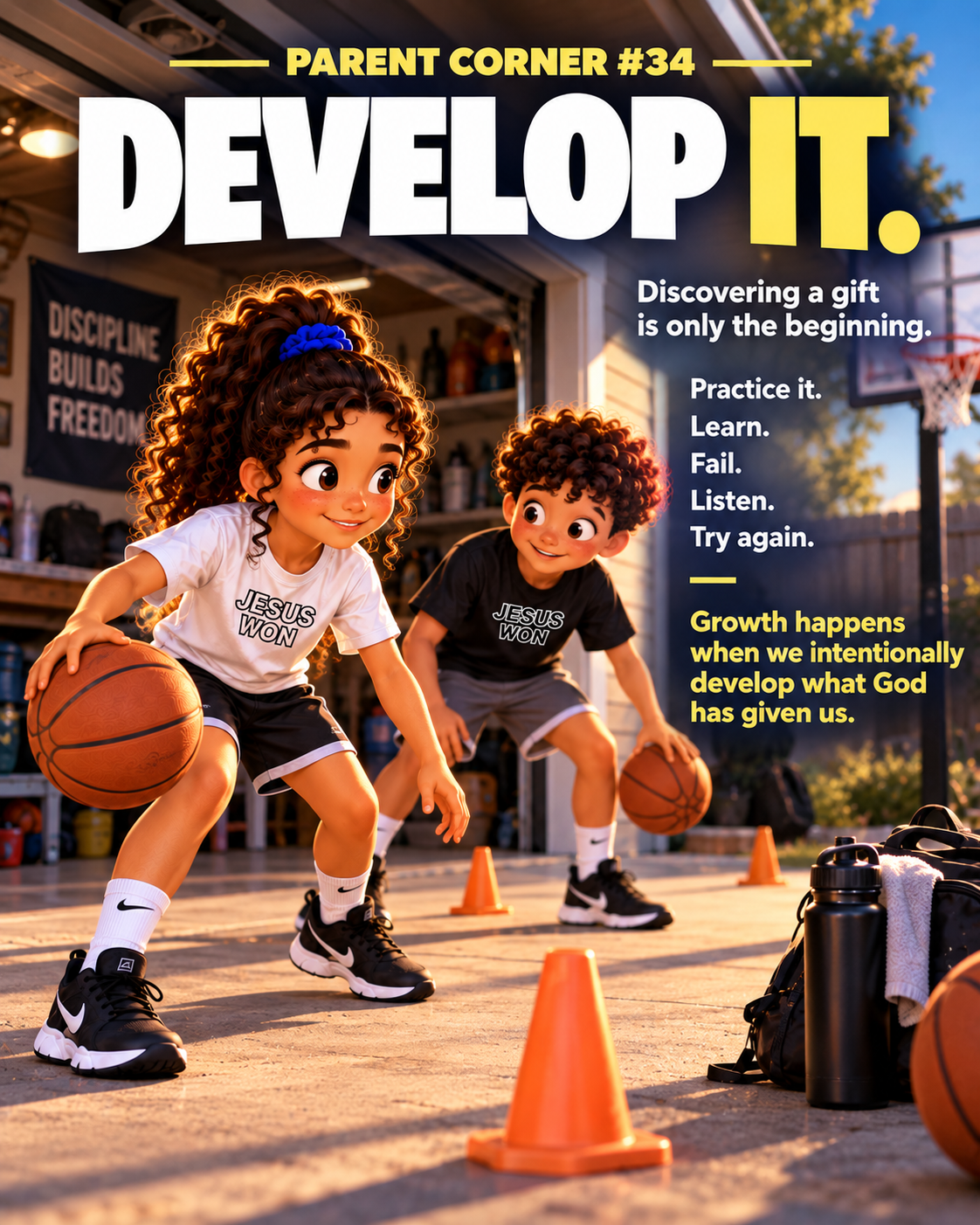
Once we discover a gift, we have to develop it.

That's where sports can be such an incredible classroom.

  • You practice.
  • You fail.
  • You listen.
  • You try again.
  • You learn from a coach.
  • You encourage a teammate.
  • You keep showing up.
Little by little, something God placed inside you begins to grow.

Scripture puts it this way:

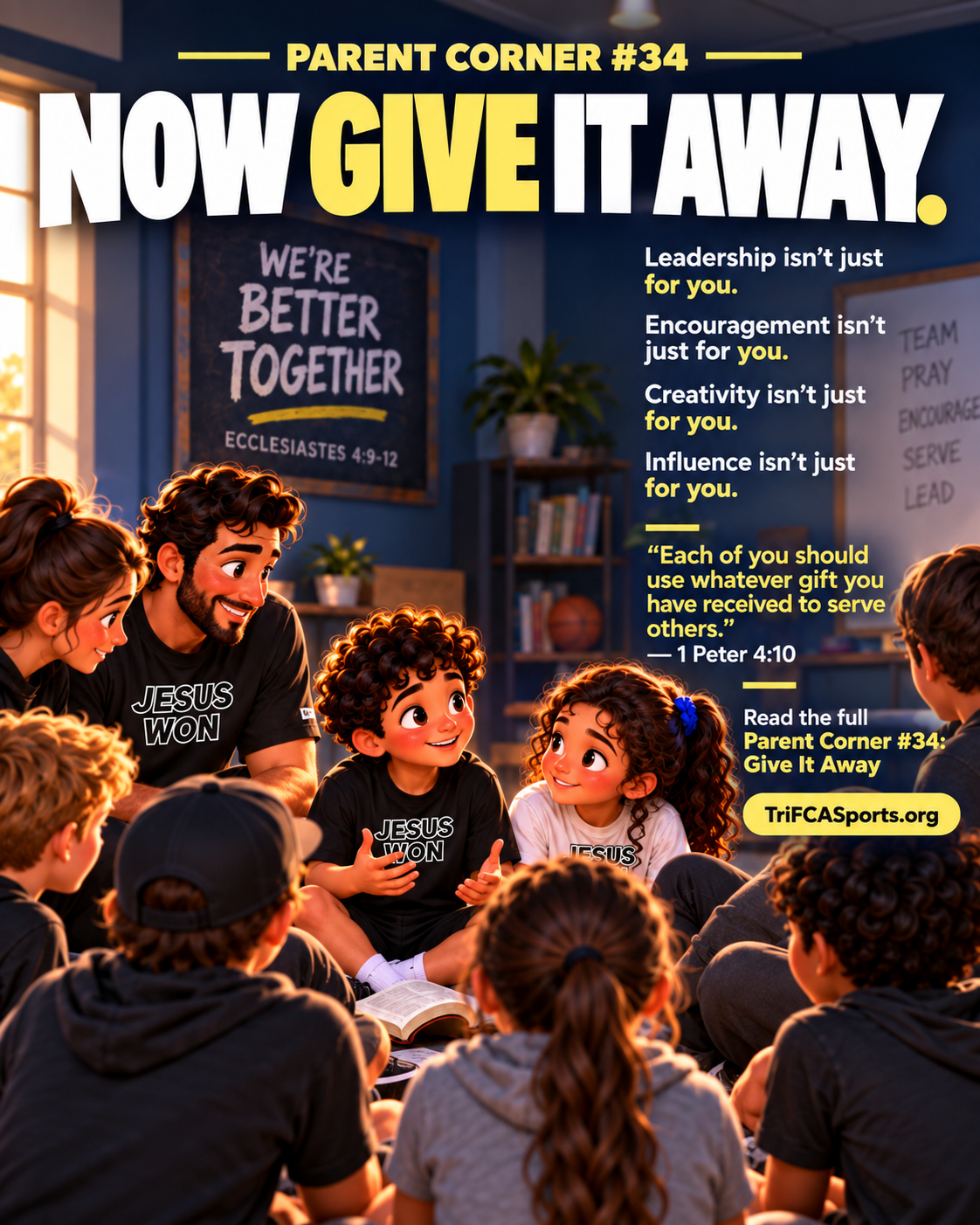
“Each of you should use whatever gift you have received to serve others.” — 1 Peter 4:10

Notice the progression.

You've received something.

Now you're supposed to use it.

But sometimes our kids need someone else to see the gift before they can see it themselves.
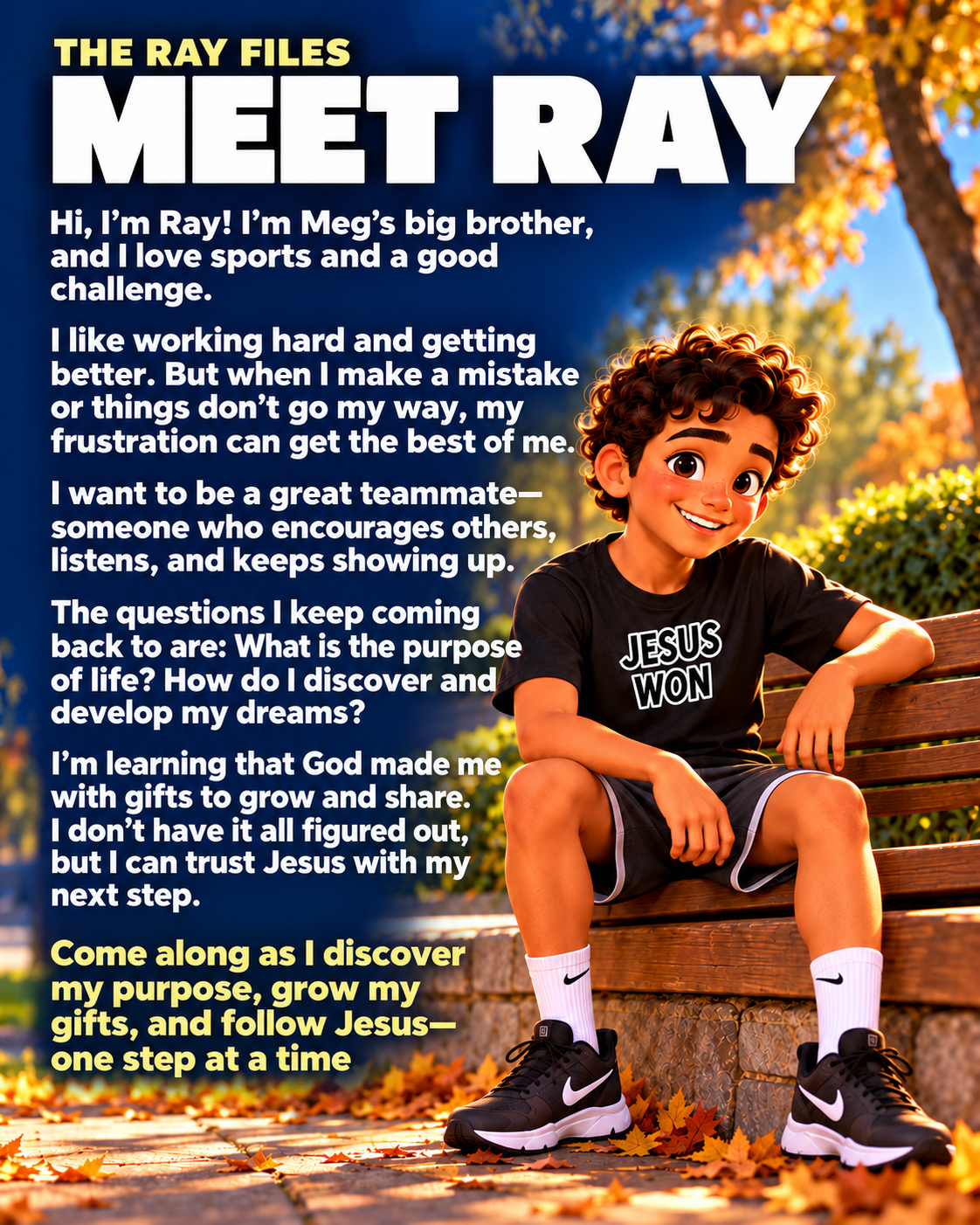
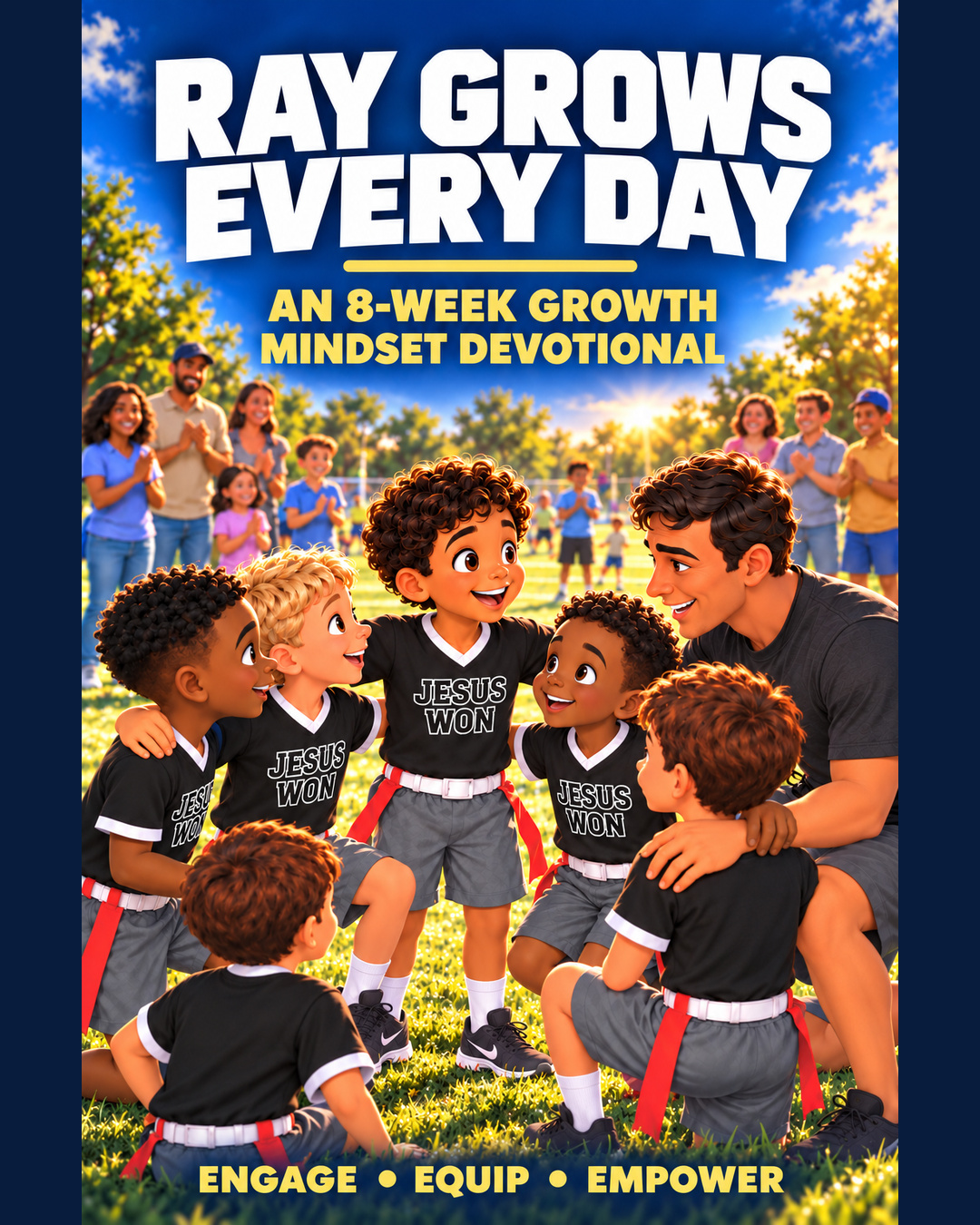
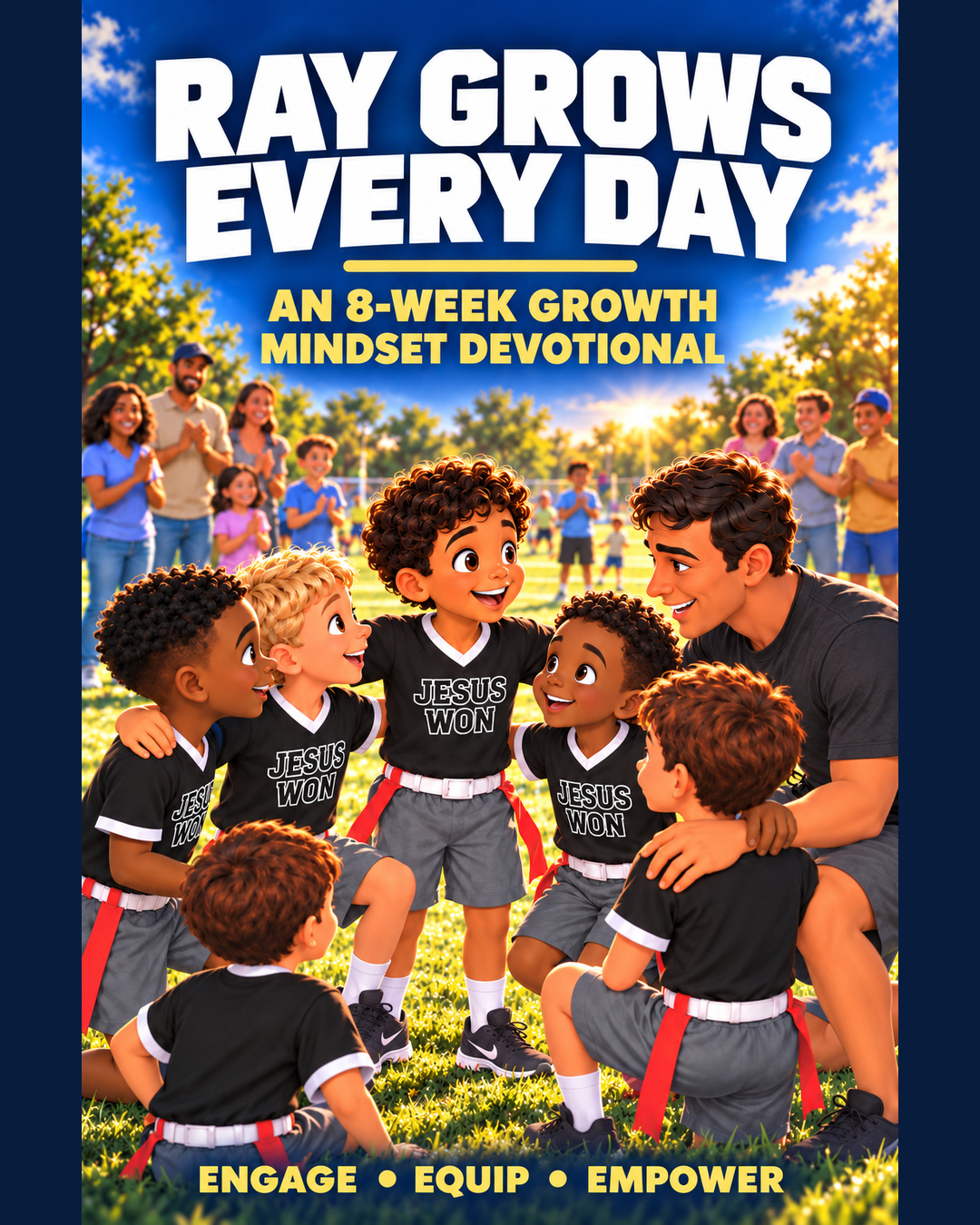
Ray Discovers Something

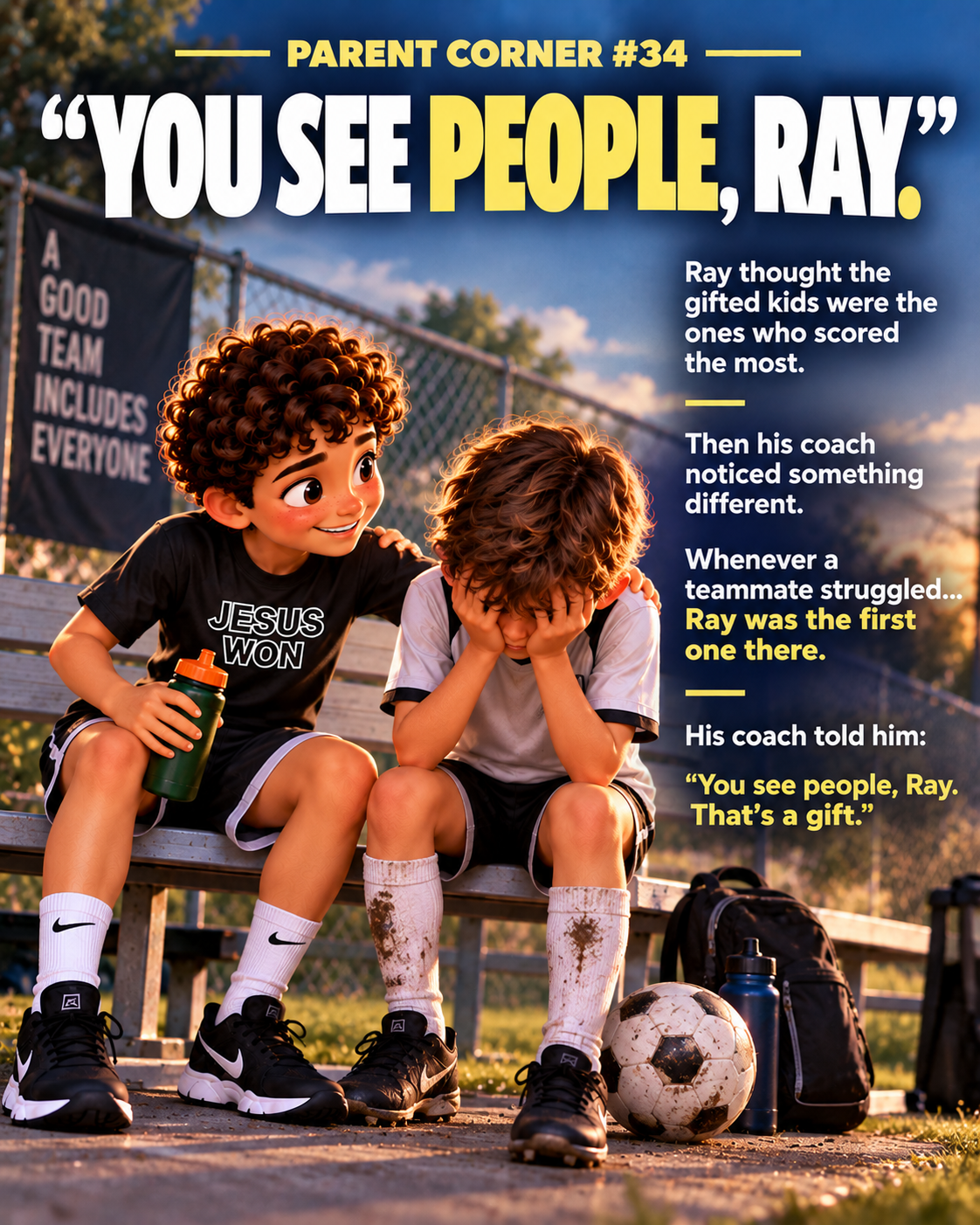
Ray wasn't the best player on his team: He knew it too.

There were kids who were faster. Kids who scored more. Kids who seemed to make everything look easy.

For a while, Ray assumed that meant they had something he didn't.

They had the gift.

Then one practice, Coach pulled Ray aside.

“Do you know what happens every time someone on this team makes a mistake?”

Ray shook his head.

“You're the first person to encourage them.”

Ray hadn't noticed. Coach had.

Then Coach said something Ray wouldn't forget:

“You see people, Ray. That's a gift.”

That sentence stayed with him.

So Ray started paying attention.

  • When a teammate missed a shot, Ray was there.
  • When the new kid didn't know where to stand, Ray helped him.
  • When practice got hard and everyone got quiet, Ray found a way to bring some energy.

At first, it was something Ray did without thinking.

Then he started doing it on purpose.

He was developing his gift.

And eventually something changed.

Ray stopped asking: “What am I good at?” and started asking: “How can what I'm good at help somebody else?”

That's when a gift becomes more than talent.

  • You discover it.
  • You develop it.
  • Then you give it away.

And parents, maybe there's a question for us buried inside Ray's story:

What do I see in my kid that they may not see in themselves yet?

Maybe part of our job is helping them name it.

GIVE

I don't want our kids to discover their gifts simply so they can become more successful.

I don't want them developing their gifts only so they can collect trophies, followers, scholarships, applause or accomplishments.

Those things may come.

But there's something bigger available.

Give it away.

  • Use your leadership to help somebody else.
  • Use your encouragement to lift up a teammate.
  • Use your creativity to build something.
  • Use your strength to protect somebody.
  • Use your influence to point people toward Jesus.
  • Use whatever God has placed in your hands to serve the person standing in front of you.

That's purpose.

Parents, This Includes Us

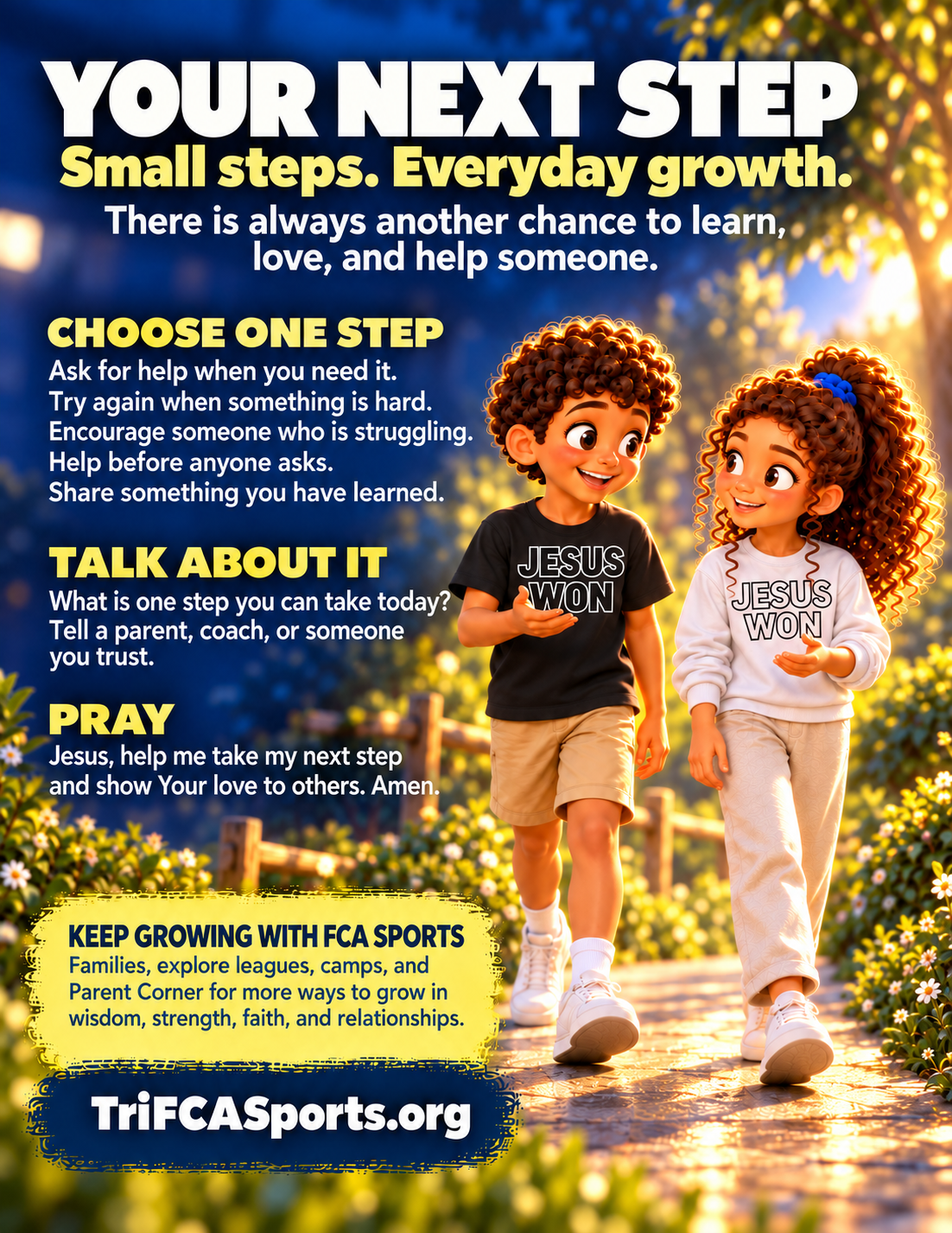
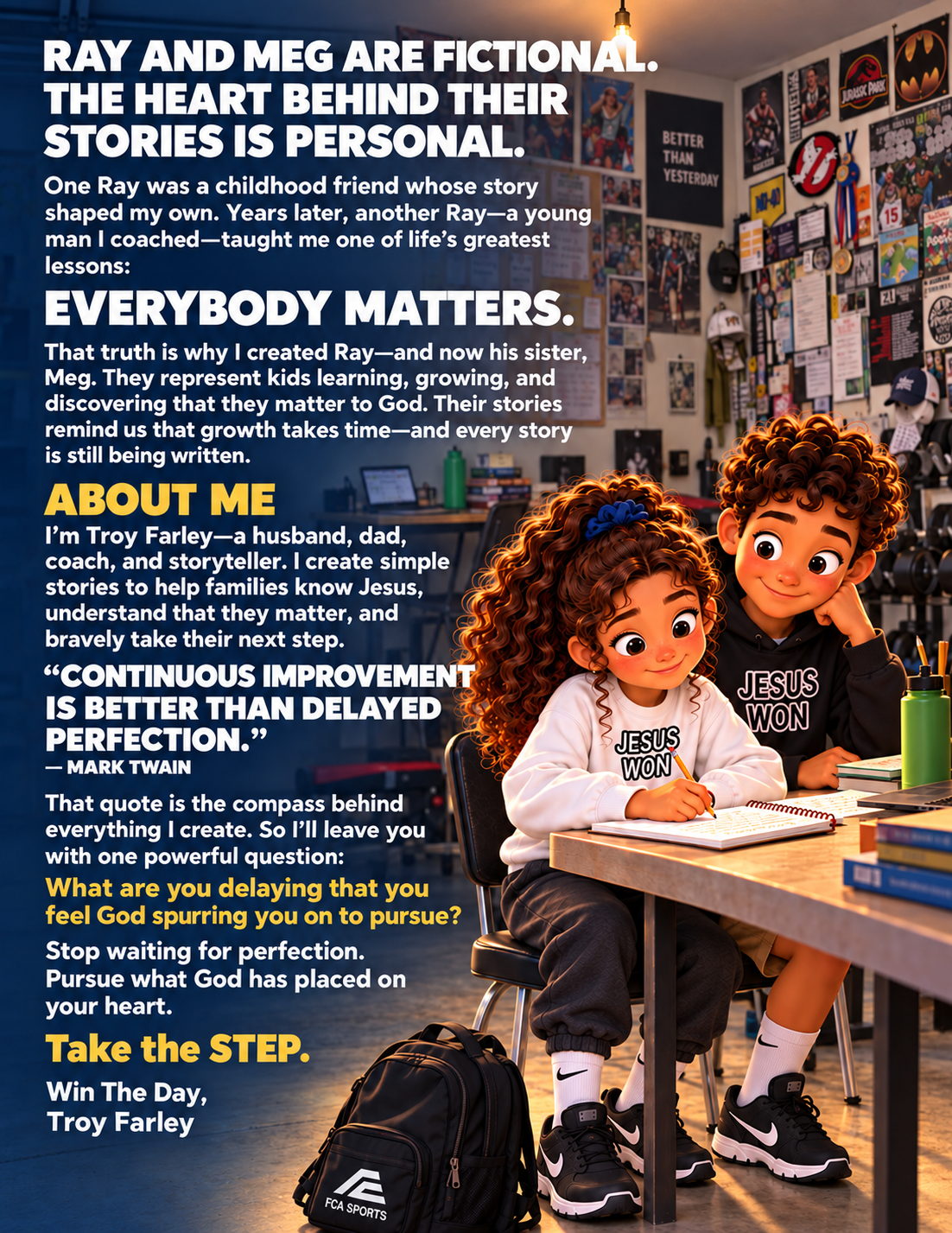
This is also why I keep working to build a library of resources for our FCA Sports parents.

  • Parent Corner.
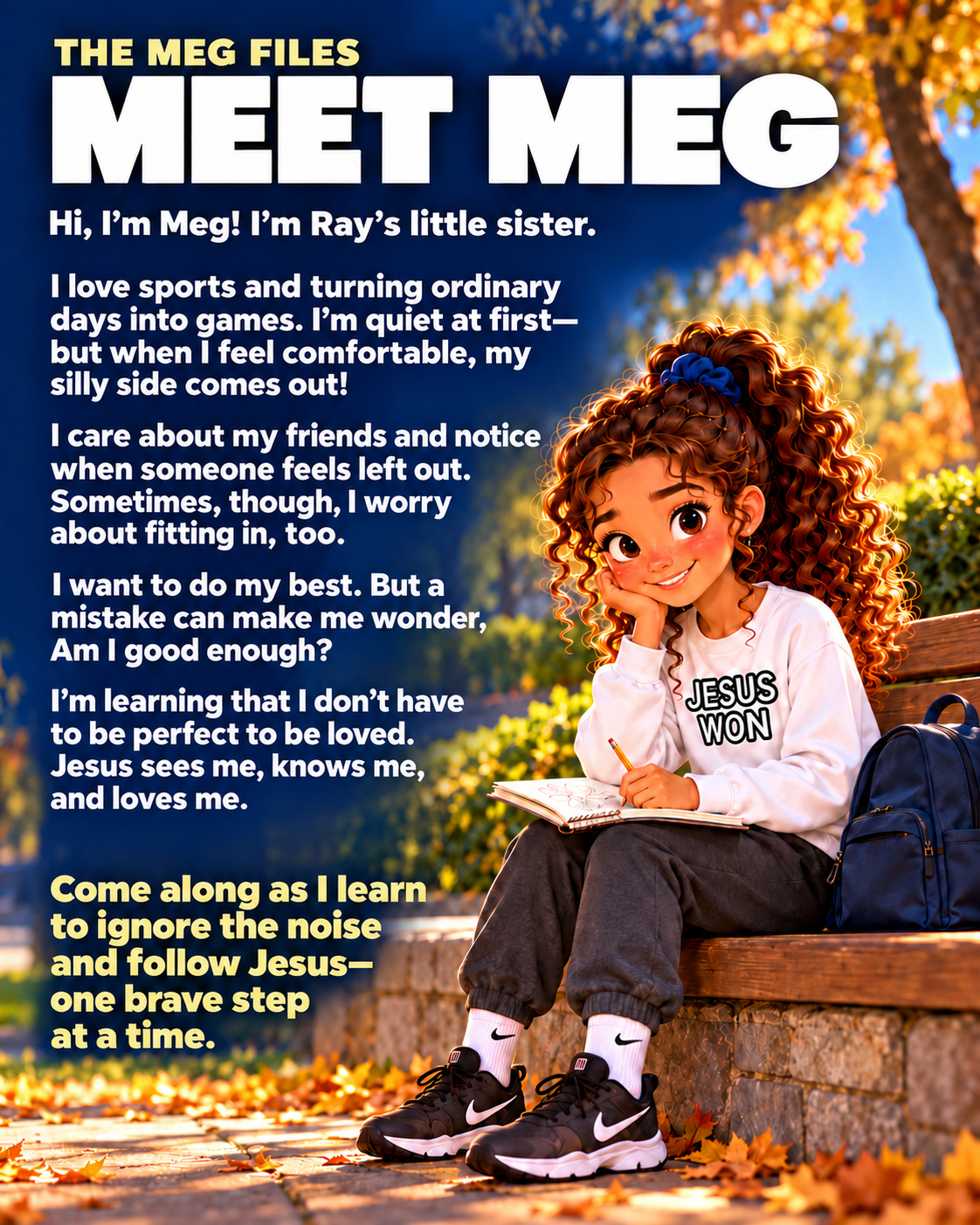
  • The Ray and Meg Files
  • Devotionals.
  • Stories.

Conversations that hopefully make their way from a phone screen to a dinner table, car ride or sideline.

I'm not creating these because families need more content.

We have plenty of content.

I'm praying something SPARKS.

Something that makes a kid—or maybe a parent—wonder:

What has God put inside me?

Then: How can I develop it?

And eventually: Who can I give it to?

Because maybe somewhere during those 46 weeks, a kid discovers something.

  • Maybe a coach calls something out of them.
  • Maybe a parent sees something they hadn't noticed before.
  • Maybe a story about Ray or Meg starts a conversation.
  • Maybe a season of soccer becomes the place where a kid realizes they were made to lead.

And maybe years later, that gift gets given away in a place that has absolutely nothing to do with sports.

That's the dream. More Than Sports

So yes, we'll keep playing games.

We'll keep keeping score.

We'll keep practicing, competing, laughing and learning.

But underneath all of it is something much bigger.

  • DISCOVER your gifts.
  • DEVELOP your gifts.

And then don't keep them for yourself.

GIVE them away.
  • For your teammates.
  • For your family.
  • For your community.
  • For the person God puts in front of you.
  • For Jesus.

That's my purpose.

That's the purpose behind these leagues.

And maybe that's a pretty good picture of the purpose of life.

Discover. Develop. Give.

Win the Day,

Troy Farley

FCA Sports Leagues Director


Up Next
From this Collection: The Parent Corner
October 26, 2026 • 4 Minute Read
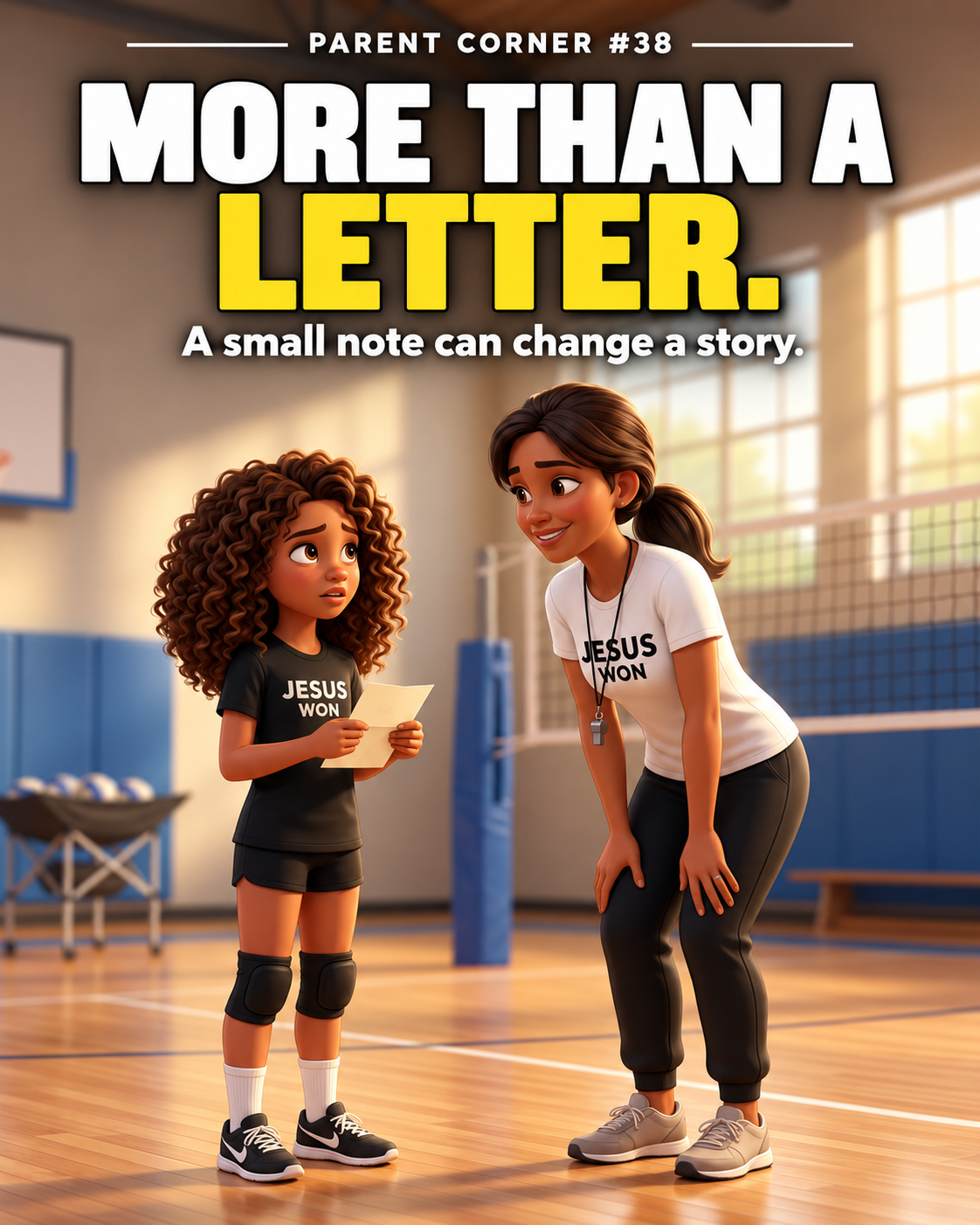
THE PARENT CORNER #38 → THE LETTER
More Than a Letter What Meg’s Coach Needed to Hear Meg almost left the letter in her backpack. It was the last practice. Teammates were gathering their things, parents were waiting, and her coach was collecting volleyballs. “Coach? I made something for you.” She held out a folded piece of paper. Her coach smiled. “For me?” Meg nodded. “You can read it later.” What Meg didn’t know was how much her coach had needed something good that day. A painful divorce was unraveling life at home. Concentrating at work had become difficult. Conversations with her own children left her searching for answers she didn’t have. Then came practice. Wipe your eyes. Grab the whistle. Smile. “Bring it in, girls!” She wanted to be there for this team. But lately, showing up took more than anyone realized. A parent’s frustration over a game decision had followed her home. A forgotten drill felt like one more failure. Some nights, she wondered whether anything she did mattered anymore. She wasn’t just tired of coaching. She was tired of trying to hold her life together. After the last family left, she sat down and unfolded Meg’s letter. Meg wrote about being nervous to try volleyball. About being hard on herself. About the times she had wanted to quit—and how glad she was that she hadn’t. She wrote about belonging to a team. The encouragement during practice. The huddles that helped her understand she was chosen and didn’t have to prove her worth. Then her coach reached the part about mistakes not defining her. She read it again. That was something she had wanted Meg to understand. Somewhere along the way, she had stopped believing it about herself. She lowered the letter into her lap. The divorce wasn’t over. Tomorrow would still be difficult. She still needed support. But sitting there in that quiet gym, she could finally see something her exhaustion had hidden. She hadn’t failed at everything. Something good had happened this season. That evening, she called a trusted friend. “I’ve been saying I’m fine,” she admitted. “I’m not.” Meg hadn’t known the whole story. It wasn’t hers to fix. She had simply put her gratitude on paper. And her coach carried it home. Beyond the Story: The Parent Corner This story was inspired by a real letter an athlete wrote to her coach after a recent season. One line stopped me: “You have shown me that my mistakes don’t define me.” Think about that. We see a practice. A game. A decision we disagree with. But what about the rest of the week? The person coaching our child has a life beyond the sidelines. There may be burdens we know nothing about when we approach them frustrated. That doesn’t mean our concerns don’t matter. It means the person receiving them matters, too. Proverbs 12:25 puts it this way: “The weight of worry drags us down, but a good word lightens our day.” A good word. Not a perfect speech. Not an answer to every problem. Sometimes, a simple letter that says, “What you did mattered to me.” And maybe you’re the one who needs encouragement right now. Then let this Parent Corner offer you some: A difficult season is not the whole story of your life. You matter beyond what you accomplish. You don’t have to carry everything alone. One More Step Together Who came to mind while you were reading? A coach? A teacher? Your spouse? A friend who keeps showing up? Write to them this week. Tell them something specific they did. Tell them why it mattered. Don’t assume they already know. And if you’re struggling, let someone you trust know what you’re carrying, too. I believe we’re all one thought, one word, or one action away from a totally different life. Not because one moment fixes everything. But because one moment can become the beginning of something different. You don’t have to know someone’s whole story to offer a word that helps them keep writing it. One more step together. Win The Day, Troy Farley FCA Sports Leagues Director
October 18, 2026 •
The Ray Files: Fall 2026 — Volume 7
October 17, 2026 • 6 Minute Read
READ THE PARENT CORNER #37 → ZERO TALENT
10 Things That Require ZERO Talent What Ray Learned from Aggie "Ray! Get yourself over here and help your grandma with these flowers!" Ray looked up from where he was sitting on the porch steps. Aggie was standing beside a flowerbed, holding a watering can in one hand and pointing toward a bag of soil with the other. "Coming, Aggie!" "Well, don't wear yourself out getting here!" she called back with a grin. Ray laughed and made his way over. As they worked, Aggie noticed something wasn't quite right. Ray wasn't his usual talkative self. "What's eating at you, sweetheart?" Ray shrugged. "Nothing, really. Just thinking about practice yesterday. Some of those kids are so good at everything. It's like they don't even have to try." Aggie set down her watering can. "Well, let me ask you something. Do you think being the most talented person is what makes somebody successful?" "I guess it helps," Ray replied. "Sure does. But talent isn't everything. In fact, some of the most important things in life don't require any talent at all." Ray looked puzzled. "Like what?" Aggie smiled. "Oh, honey. You better sit down. Grandma's got something to show you!" She reached into the pocket of her sweater and pulled out an old, folded piece of paper. The edges were worn, the creases deep, and the handwriting looked like it had been there for years. "What's that?" Ray asked. Aggie smiled as she carefully unfolded it. "This belonged to your grandpa Jack." Ray leaned in a little closer. "Grandpa Jack wrote that?" "He sure did. Your grandpa was a man of many talents, but he always believed that some of the most important things in life had nothing to do with talent at all." She handed Ray the paper. "He wrote these ten things down a long time ago. Said they were worth remembering. And you know what? I think he was right." Ray looked down at the faded handwriting. Across the top, in big letters, were the words: 10 THINGS THAT REQUIRE ZERO TALENT He began reading. Being on time. Making an effort. Being high energy. Having a positive attitude. Being passionate. Using good body language. Being coachable. Doing a little extra. Being prepared. Having a strong work ethic. Ray looked up. "That's a lot of things, Aggie." "Sure is. And here's the best part. You don't have to be the fastest, smartest, strongest, or most talented to work on a single one of them." "But what if I'm not good at something?" Aggie leaned back in her rocking chair. "Ray, I've lived long enough to see plenty of talented folks go nowhere because they wouldn't put in the work. And I've seen people nobody expected much from do remarkable things because they kept showing up." She pointed toward the flowerbed. "See those flowers? They don't all grow at the same speed. Some bloom early. Some take their sweet time. But they all need someone willing to water them, care for them, and keep showing up." Ray glanced at the watering can. "So you're saying I should just keep trying?" "I'm saying you can't control every gift you've been given. But you can be faithful with the gifts you have." Ray smiled. "And I suppose you're going to tell me to finish watering those flowers?" Aggie winked. "Now you're catching on! Number eight, sweetheart. Do a little extra!" Ray laughed, then looked down at the old piece of paper one more time. "Grandpa Jack must've been pretty smart." Aggie smiled, her eyes drifting toward the farmhouse. "Oh, he had his moments, sweetheart. He certainly had his moments." Beyond the Story: The Parent Corner Ten things. Zero talent required. Sounds pretty simple, doesn't it? But here's what I've been thinking about. Just because something doesn't require talent doesn't mean it doesn't require intentionality. Think about it. Showing up on time when life is pulling you in a hundred different directions. Giving your best effort when you're tired. Choosing a positive attitude when things aren't going your way. Being coachable when someone points out something you could do better. None of those things necessarily come easy. And yet, none of them require us to be the most gifted person in the room. We spend so much of life comparing what we can do with what someone else can do. Who's faster? Who's smarter? Who has more opportunities, more experience, more ability? But what if we spent a little less time worrying about what we don't have and a little more time being faithful with what we do? Colossians 3:23 puts it this way: "So no matter what your task is, work hard. Always do your best as the Lord’s servant, not as man’s." (The Voice) No matter what your task is. I love that. Whether we're coaching a team, raising a family, leading at work, serving in ministry, sitting in a classroom, or simply trying to get through another Monday, the invitation is the same. Give your best with what you've been given. Not someone else's best. Not perfection. Your best. And maybe that's what makes Aggie's list so powerful. These ten things don't come with an age requirement, a talent evaluation, or a certain level of experience. They're available to every one of us. Now, does that mean we'll get all ten right every day? Absolutely not. Some days our energy is running on empty. Our attitude needs adjusting. We show up unprepared, resist correction, or simply go through the motions. But tomorrow gives us another opportunity. Another chance to show up. Another chance to grow. Another chance to be faithful with what's right in front of us. Because at the end of the day, it's not always about what we're capable of doing. Sometimes it's about what we're willing to do. One More Step Together Here's my challenge for all of us this week. Take another look at Aggie's ten things. Don't just think about your kids, your teammates, your coworkers, or the people around you. Think about yourself. Which of these ten things comes naturally to you? Which one requires a little more intentionality? Pick one. Just one. Maybe it's showing up a few minutes early. Bringing a better attitude into a difficult situation. Listening instead of defending. Or putting in a little extra effort when nobody would notice if you didn't. Whatever it is, take that step. Because talent may help determine what we're able to do. But our choices help determine what we actually do with it. One more step together. Win The Day, Troy Farley FCA Sports Leagues Director
October 11, 2026 •
The Ray Files: Fall 2026 — Volume 6
October 10, 2026 • 5 Minute Read
Parent Corner #36: Open Doors
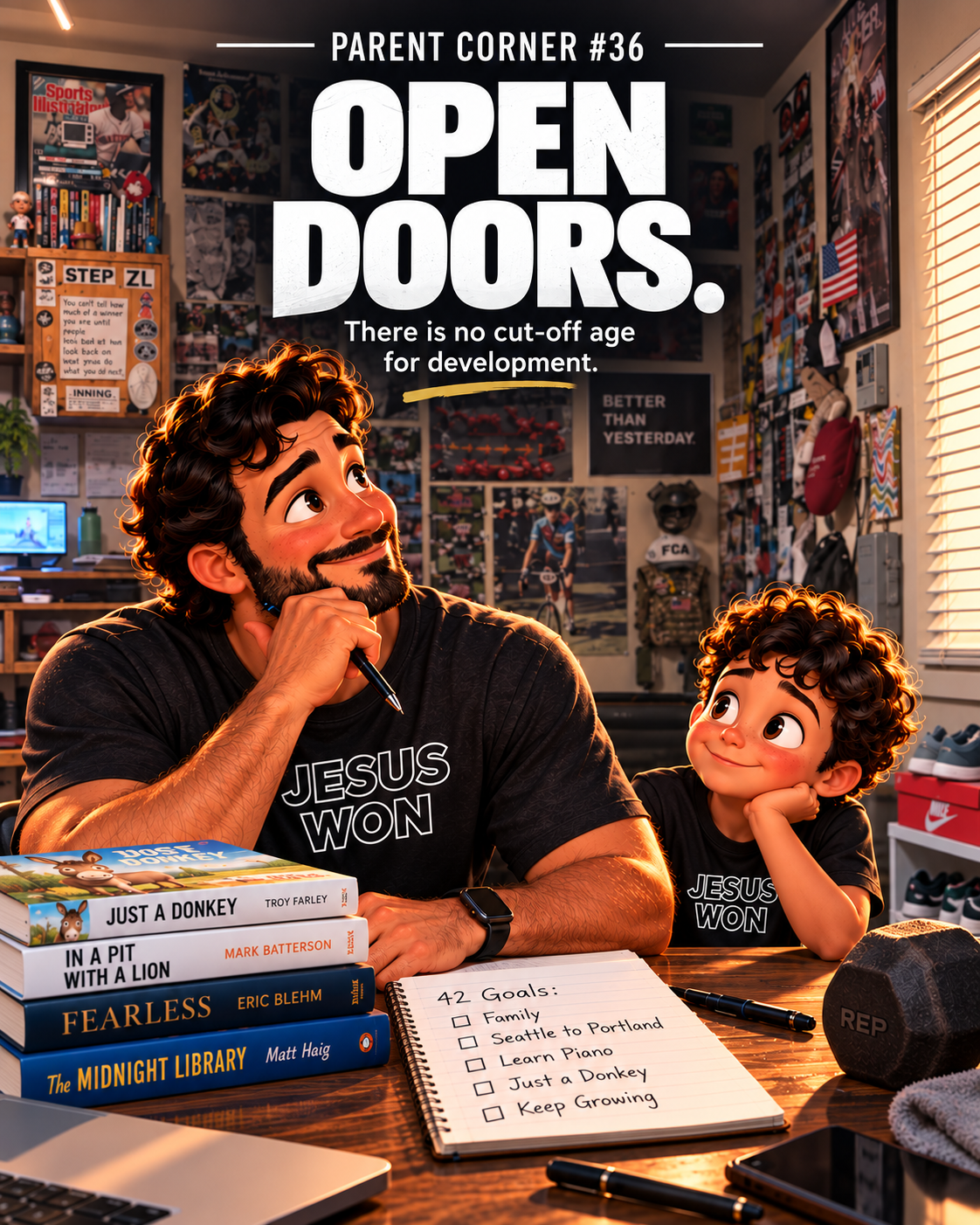
I turn 42 next month. And I've already made a decision about 42: I want it to be the best year of my life. For my family. Professionally. Personally. Spiritually. And I want to keep doing things that remind me I'm still living, learning and becoming. I want to ride the Seattle to Portland bike ride in honor of my dad. I want to finally learn how to play the piano. I've wanted to for years but have never taken the time. And I want to release my first full children's book, Just a Donkey—the story of my donkey friend JJ, who keeps wrestling with a question I understand more than I'd probably like to admit:“What could somebody like me ever do?” At 42, I still have things I want to try. Things I want to learn. Things I want to create. Ways I want to grow. Which is probably why these words have been sitting with me lately: “There is no cut-off age for development.” I love that. Because I spend a lot of time thinking about the development of kids. Their gifts. Their character. Their faith. Their leadership. Their next step. But this Parent Corner isn't really about them. This one's for us: The parents. Your story isn't over. You still hold the pen. What will you write next? That thought makes me think about one of my favorite authors, C.S. Lewis. I love the way Lewis could take something ordinary—a wardrobe, a painting, a doorway—and suddenly another world was waiting on the other side. I've started thinking about our lives that way. Open doors. A conversation can be an open door. A book can be an open door. A new friendship. A class. A ministry. A job opportunity. A decision to finally get healthy. Picking up something you put down twenty years ago. Trying something you're terrible at. Saying yes to something that scares you. Sometimes the next world doesn't require us to find a magical wardrobe. Sometimes it begins by changing our mind about what is still possible. Dad's Open Door One evening Ray walked into the garage and found Dad staring at an old guitar case. Ray had seen it plenty of times. He'd just never seen it open. “You play guitar?” Dad laughed. “Used to.” He picked it up and tried a chord. It wasn't pretty. Ray laughed. Dad did too. “I was actually pretty good once.” “So why'd you stop?” Dad didn't really have an answer. Life, probably. Work. Marriage. Kids. Schedules. Responsibilities. None of them bad. Somewhere along the way, though, “I play guitar” became “I used to play guitar.” Ray looked at him. “So...why don't you play anymore?” Simple question. Hard answer. Dad looked down at the guitar. Then back at Ray. Maybe the door wasn't locked. Maybe he'd just stopped trying the handle. So Dad played again. Badly. Then again the next night. And again. A few weeks later, Ray walked through the garage and heard music. Not perfect music. Developing music. And maybe that was the point. We Don't Graduate From Growth There is no age where God looks at us and says: That's enough development for you. Scripture keeps giving us language of renewal, growth, transformation and becoming. Romans 12:2tells us to “be transformed by the renewing of your mind.” Not have been transformed. Be transformed. That's movement. That's development. That's an open door. And history gives us some beautiful reminders. Leonard Cohen had already built a life as a writer before beginning his recording career in his early 30s. Giuseppe Verdi could have comfortably let an extraordinary career be finished. Instead, after stepping away from opera, he returned and created Otello in his 70s and Falstaff around 80. Their stories weren't over. Neither is ours. Keep the Doors Open Maybe that's part of what we owe our kids. Not just telling them: Keep learning. Keep growing. Try something new. Don't be afraid to fail. But letting them watch us do it. Let them see Dad be a beginner. Let them see Mom change her mind. Let them watch us read, learn, create, train, apologize, ask questions, develop a gift, deepen our faith or walk through a door we once assumed had closed. Because it's hard to convince our kids that growth is lifelong if they think we stopped growing at 35. Maybe the question this week isn't: What does my kid need to work on? Maybe it's: WHAT'S MY NEXT OPEN DOOR? What have you been curious about? What have you talked yourself out of? What gift have you stopped developing? What has God been nudging you toward? What would you try if you weren't worried about being a beginner again? Your story isn't over. You still hold the pen. There is no cut-off age for development. Keep as many doors open as possible. And when God puts one in front of you...turn the handle. Win the Day Troy Farley FCA Sports Leagues Director
October 4, 2026 •
The Ray Files: Fall 2026 — Volume 5
October 4, 2026 • 4 Minute Read
Parent Corner #35: Sidelines to Sunday
SIDELINES TO SUNDAY I need to be real with you, parents. I struggle with Sundays. More specifically, I struggle with the gap between our Saturday sidelines and our Sunday mornings. Sunday comes. We smile. We show kindness. We raise our hands in church. Our kids sit beside us. In that setting, living out our faith can feel pretty comfortable. But rewind 24 hours. Your kid didn’t play enough. Your kid had a bad game. Their team lost badly. You didn’t like the officiating, your coach’s decisions, or how the opposing coach handled their team. Shall I go on? I see it every week. I hear it. I experience it. The outbursts. The dirty looks. The league gets blamed. I get blamed. There are rude emails, passive-aggressive texts, and hard phone calls. And here is my part: I have lost my cool on some of those calls. Some have ended with someone hanging up. I’m responsible for how I respond, and there are conversations I wish I had handled better. Leading a faith-based league doesn’t give me a pass. I’m in this conversation too. People sometimes wonder why I’m so passionate about the sidelines. Because I believe they reveal things about us that we need to pay attention to. How do we respond when we don’t get our way? When our child struggles? When someone makes a mistake that affects our family? Those moments put our character under pressure. And our kids are right there, watching. I’m concerned about how quickly we step in to remove every disappointment. How easily protecting our kids becomes blaming someone else. How much of our character we’re willing to surrender over a 45-minute youth recreational game. The game matters to our kids. I understand that. But that Saturday score will not determine their future. The way we teach them to handle it can help shape it. Let’s get even more real. Your athlete might not be very good at this sport yet. Their team might struggle all season. They might play their hardest and still lose by a lot. That is a reality we have to leave room for. It says nothing about their worth, how deeply they are loved, or what they can become. They need adults who can help them face disappointment without treating every difficult experience as an injustice. Ask questions. Bring concerns. Hold us accountable. We have things to improve too. We can have those conversations with honesty and respect. And about the cartoons I create, the stories I share, and the JESUS WON shirts I wear—please understand how seriously I take the message behind them. Those stories carry the things I want our families to wrestle with: Character Responsibility Forgiveness Courage How we treat people when life gets hard. There is a deeper message in them for us as parents too. My love for Jesus is where I find strength to keep showing up, have hard conversations, set boundaries, and own my mistakes. It also calls me to apologize when I fall short. Being a faith-based league means we should be willing to practice all of that. Here is why I’m writing this If we can raise our hands on Sunday after tearing people down on Saturday, without stopping to recognize that something needs to change, our theology is off. What we say we believe about Jesus needs to reach the way we treat people. Including me, our referees - coaches - other parents my - the people answering our emails. I’ve done this long enough, had enough conversations, and watched enough sidelines to know we need to talk about this honestly. Our kids need to see us live our faith when the score is ugly, the call goes against us, and we are frustrated. They also need to hear us say, “I handled that poorly.” - “ I’m sorry.” Me included. I will keep fighting for the sidelines. I will keep caring about your kids and the adults we are becoming in front of them.Check out our Parent Standard HERE But I won’t promise you that your child’s team won’t get blown out again. We all have growing to do when it happens. Win The Day, Troy Farley Tri-Cities FCA Sports Leagues Director
October 3, 2026 • 6 Minute Read
Parent Corner #34: Give it Away
There is an idea about purpose that I haven't been able to shake from a quote I recently read: The purpose of life is to DISCOVER your gifts. The work of life is to DEVELOP your gifts. The meaning of life is to GIVE your gifts away. Discover. Develop. Give. Those three words take me back a long way. Years ago, I felt like God gave me a compass for what I was supposed to spend my life doing: Help people DISCOVER and DEVELOP their gifts for Jesus. The older I get, the more I realize how much that compass has shaped my life. And honestly, it explains a lot about why I care so much about FCA Sports. Why 46 Weeks? We operate FCA Sports nearly year-round. 46 weeks throughout the calendar year. Sometimes I look at that number and think we're crazy. Soccer becomes basketball - Basketball becomes soccer again - Then volleyball - Camps. Flag football - Cheer - REPEAT and around we go. But the sports have never really been the point. They're the opportunity. Every practice, game, conversation, win, loss, mistake, new friendship and hard moment gives a kid another opportunity to discover something about who God created them to be. Maybe a kid discovers: I can lead. I love encouraging people. I'm a great teammate. I can do hard things. I'm good at bringing people together. I care about the kid nobody else notices. And yes, sometimes they discover they can really shoot a basketball, kick a soccer ball or throw a football. That's great too. Because gifts come in all kinds of packages. The question is what happens next. DISCOVER Isn't Enough Once we discover a gift, we have to develop it. That's where sports can be such an incredible classroom. You practice. You fail. You listen. You try again. You learn from a coach. You encourage a teammate. You keep showing up. Little by little, something God placed inside you begins to grow. Scripture puts it this way: “Each of you should use whatever gift you have received to serve others.” — 1 Peter 4:10 Notice the progression. You've received something. Now you're supposed to use it. But sometimes our kids need someone else to see the gift before they can see it themselves. Ray Discovers Something Ray wasn't the best player on his team: He knew it too. There were kids who were faster. Kids who scored more. Kids who seemed to make everything look easy. For a while, Ray assumed that meant they had something he didn't. They had the gift. Then one practice, Coach pulled Ray aside. “Do you know what happens every time someone on this team makes a mistake?” Ray shook his head. “You're the first person to encourage them.” Ray hadn't noticed. Coach had. Then Coach said something Ray wouldn't forget: “You see people, Ray. That's a gift.” That sentence stayed with him. So Ray started paying attention. When a teammate missed a shot, Ray was there. When the new kid didn't know where to stand, Ray helped him. When practice got hard and everyone got quiet, Ray found a way to bring some energy. At first, it was something Ray did without thinking. Then he started doing it on purpose. He was developing his gift. And eventually something changed. Ray stopped asking: “What am I good at?” and started asking: “How can what I'm good at help somebody else?” That's when a gift becomes more than talent. You discover it. You develop it. Then you give it away. And parents, maybe there's a question for us buried inside Ray's story: What do I see in my kid that they may not see in themselves yet? Maybe part of our job is helping them name it. GIVE I don't want our kids to discover their gifts simply so they can become more successful. I don't want them developing their gifts only so they can collect trophies, followers, scholarships, applause or accomplishments. Those things may come. But there's something bigger available. Give it away. Use your leadership to help somebody else. Use your encouragement to lift up a teammate. Use your creativity to build something. Use your strength to protect somebody. Use your influence to point people toward Jesus. Use whatever God has placed in your hands to serve the person standing in front of you. That's purpose. Parents, This Includes Us This is also why I keep working to build a library of resources for our FCA Sports parents. Parent Corner. The Ray and Meg Files Devotionals. Stories. Conversations that hopefully make their way from a phone screen to a dinner table, car ride or sideline. I'm not creating these because families need more content. We have plenty of content. I'm praying something SPARKS. Something that makes a kid—or maybe a parent—wonder: What has God put inside me? Then: How can I develop it? And eventually: Who can I give it to? Because maybe somewhere during those 46 weeks, a kid discovers something. Maybe a coach calls something out of them. Maybe a parent sees something they hadn't noticed before. Maybe a story about Ray or Meg starts a conversation. Maybe a season of soccer becomes the place where a kid realizes they were made to lead. And maybe years later, that gift gets given away in a place that has absolutely nothing to do with sports. That's the dream. More Than Sports So yes, we'll keep playing games. We'll keep keeping score. We'll keep practicing, competing, laughing and learning. But underneath all of it is something much bigger. DISCOVER your gifts. DEVELOP your gifts. And then don't keep them for yourself. GIVE them away. For your teammates. For your family. For your community. For the person God puts in front of you. For Jesus. That's my purpose. That's the purpose behind these leagues. And maybe that's a pretty good picture of the purpose of life. Discover. Develop. Give. Win the Day, Troy Farley FCA Sports Leagues Director

September 27, 2026 • 3 Minute Read
Parent Corner #33: The Invitation
Sometimes the biggest moments in a kid’s life start with something incredibly small. An invitation. “Want to come with me?” That’s it. No perfect speech. No pressure. No guarantee they’ll even say yes. Just an invitation. That’s what Ray and Meg are learning in this week’s story as they experience Fields of Faith. They show up expecting an event. They leave thinking about people. Friends. Teammates. Classmates. The kid sitting beside them at lunch. The person they pass in the hallway every day. Because somewhere along the way, the question changes from: “What did I get out of tonight?” to: “Who could I bring with me next time?” Your kid already has a mission field Sometimes we make sharing our faith feel much more complicated than Jesus did. Our kids don’t need a stage. They already have hallways. They don’t need an audience. They already have teammates. They don’t need thousands of followers. They have the kid sitting beside them on the bus, the friend they FaceTime after school, the teammate standing next to them in line, and the classmate they see every single day. Those relationships matter. And sometimes the most powerful thing our kids can do is simply notice the person God has already placed in front of them. Who needs a friend? Who needs encouragement? Who needs to know they belong? Who could I invite? An invitation can change a story Think about how many important moments in our own lives started because somebody invited us. Come sit with us. Come play. Come to practice. Come to church. Come with me. An invitation communicates something before the event ever begins: I thought about you. I want you there. There’s a place for you beside me. That’s something our kids can carry into their schools, teams, neighborhoods, and friendships every day. And parents, we can model it too. Our kids are watching how we welcome people. How we notice people. Whether our circles stay closed or whether we’re willing to make room for somebody new. Maybe one of the best questions we can ask around the dinner table this week isn’t: “How was school?” Maybe it’s: “Who did you notice today?” And then eventually: “Is there someone you could invite?” One field. One invitation. One next step. On Sunday, October 11 at 4 PM, we’ll gather at Lampson Stadium in Kennewick for Fields of Faith. (Learn more HERE) There will be worship. Stories. Jesus. Students from different schools and different teams coming together on one field. But I want to make something really clear: This invitation is for EVERYONE. Bring the whole family. Bring your FCA Sports athlete. Bring your middle school athlete. Your high school athlete. College students, parents, grandparents—you’re invited too. Seriously. All the way up to my dad, who at a young and fit 80 years old better be there too. This isn’t an event where parents need to drop their kids off and come back later. Come experience it together. And afterward, stick around. We’ll keep the night going with a tailgate and free food. But before October 11 gets here, there’s one question worth asking your family: Who will you invite? Maybe it’s a teammate. A classmate. Another family. A neighbor. A coworker. Someone who has never been to anything like this before. You don’t need the perfect words. Sometimes two are enough: Come with me. One field. One invitation. One next step. Win the Day – Troy Farley
September 19, 2026 • 4 Minute Read
Parent Corner #32 — Missing the Mark
Parent Corner #32 — Missing the Mark You ever make a mistake? As a parent? As a spouse? As a leader? Just as a person? I have. Plenty of them. And when you know you missed the mark, there is a feeling that can come with it. Guilt. Shame. Self-doubt. That voice in your head that keeps replaying what happened. You should have known better. You should have handled that differently. You blew it. You missed the mark. And maybe that phrase means more than we realize. Missing the Mark There is an ancient connection between the idea of sin and missing the mark—like an archer aiming at a target and failing to hit it. I love that picture because I've missed plenty of targets in my life. As a husband. As a father. As a leader. As a friend. There have been moments when I knew exactly where I wanted the arrow to go...and watched it land somewhere else. But here's what I love about the picture of an archer: The story doesn't end with the miss. What does the archer do? Take aim. SHOOT AGAIN. Repeat. You learn. You adjust. You refocus. You take another shot. And maybe that's a picture some of us need right now. Don't Spiral Down When I miss the mark, I have a tendency to spiral. Maybe you do too. One mistake becomes: I'm a terrible parent. One bad conversation becomes: I'm failing as a spouse. One leadership decision goes sideways and suddenly: I'm not cut out for this. We take something we did and turn it into something we believe we are. That's the downward spiral. But what if there is another way? What if instead of spiraling down, we learned to... SPIRAL UP Own it. Confess it. Make it right when we can. Learn from it. And then...take the next shot. Why I Love “THE FOUR” We talk about sin in FCA. And one of my favorite things about THE FOUR is that we don't stop there. The story isn't simply: You missed the mark. The story is that there is a way back. THE FOUR walks through a simple message: God Loves You. Sin Separates You. Jesus Saves You. Will You Trust Jesus? That's why talking about sin matters. Not so kids walk away buried in shame. But because they understand why we need rescue. Why we need grace. Why we need Jesus. Romans 3:23 says: “For everyone has sinned; we all fall short of God’s glorious standard.” We all miss. Parents. Coaches. Kids. Leaders. All of us. But the Gospel doesn't leave us staring at the arrow in the dirt. Jesus gives us a way forward. Meet Ray Ray stared at the target. Then he looked down. His arrow was buried in the dirt several feet short. He had missed. Again. Ray dropped his shoulders. "I'm terrible at this." Coach walked over and stood beside him. "Did you miss?" Ray nodded. "Yep." Coach picked up another arrow and handed it to him. Ray looked confused. Coach smiled. "What do you do when you miss?" Ray shrugged. Coach pointed toward the target. "Take aim." Ray lifted his bow. "Shoot again." Ray pulled the string back. "Repeat." This arrow didn't hit the center either. But it got closer. Ray smiled. Coach smiled too. And Ray reached for another arrow. Parents, Our Kids Are Watching Our kids are going to miss the mark. A lot. So are we. Maybe one of the greatest things we can teach them isn't how to avoid every mistake. Maybe it's teaching them what to do next. Don't hide it. Don't pretend it didn't happen. Don't let shame tell you the story is over. Turn toward Jesus. Own it. Make it right. Learn from it. Then take the next shot. Because grace doesn't mean the miss didn't matter. Grace means the miss isn't the end. So the next time you miss the mark—and you will—remember the archer. Take aim. SHOOT AGAIN. Repeat. And when that voice tries to pull you into guilt, shame and self-doubt... Spiral up. Let Jesus shape your thoughts. Let Jesus shape your response. Let Jesus shape your next step. You missed the mark. That's not the end of your story. More than a league. It's a mission.
September 12, 2026 • 4 Minute Read
Parent Corner #31: Your Suitcase Was Never Supposed to Have Wheels
Parent Corner #31 — Your Suitcase Was Never Supposed to Have Wheels There is a word I have grown to dislike. Convenience. We love it. Faster. Easier. Delivered. Automated. Anything that removes another obstacle from our day. And then I heard Sylvester Stallone—one of my heroes—talking about how much easier life continues to become. His example made me laugh. Suitcases have wheels now. Something designed to be carried doesn't even have to be carried anymore. His bigger point stuck with me: Force yourself into tough situations. And it got me thinking about our kids. About sports. About FCA Sports. And about growth. Because convenience and growth rarely travel together. We Aren't Trying to Make Everything Easy I'll say something that might sound strange coming from someone who runs youth sports: Convenience is not one of our goals at FCA Sports. Of course, we want to communicate clearly. We want to be organized. We want to serve families well. But our mission isn't to remove every difficult thing from the experience. Not for our athletes. Not for our coaches. Not for our parents. Because growth is rarely convenient. Sometimes practice is at a difficult time. Sometimes the weather isn't perfect. Sometimes your child gets a coach who challenges them. Sometimes they don't play the position they wanted. Sometimes they lose. Sometimes the official misses the call. Sometimes they have to sit on the bench. Sometimes they have to apologize to a teammate. Sometimes they have to keep showing up when they'd rather quit. And our first instinct can be: How do I make this easier? Maybe that's the wrong question. Maybe we should ask: What could God grow through this? Jesus Never Promised Convenient Following Jesus has never been about finding the easiest road. Jesus actually said: "If any of you wants to be my follower, you must give up your own way, take up your cross daily, and follow me." Luke 9:23 Take up your cross. Follow me. There isn't much convenience in those words. Jesus wasn't calling people toward comfort. He was calling them toward something worth giving their lives to. And I think there's something incredibly important there for our kids. We don't need to manufacture hardship. Life will provide plenty of it. But we also don't need to remove every ounce of resistance from their lives. Because resistance can build something. Perseverance. Discipline. Courage. Faith. Character. Growth. Meet Ray Ray hated conditioning. His coach blew the whistle. "One more!" Ray put his hands on his knees. His legs hurt. His lungs burned. And he had already decided the last sprint was supposed to be the last sprint. "Come on, Ray!" Zach yelled. Ray looked toward Coach. For half a second, he hoped Coach would tell him he had done enough. Coach didn't. He just pointed toward the line. Ray stood up. He ran. It wasn't his fastest. It definitely wasn't pretty. But he finished. Walking off the field later, Ray told his dad, "That was hard." Dad smiled. "I know." Ray waited for something else. Nothing. Finally Ray asked, "That's it?" Dad laughed. "Yep." Then he put his hand on Ray's shoulder. "Not everything hard needs to be made easier." Ray thought about that one all the way home. Takeaway Parents, I wonder if sometimes we're putting wheels on things our kids were meant to learn how to carry. We call the coach. We solve the conflict. We make the excuse. We remove the consequence. We carry the bag. And yes—there are absolutely times our kids need us to step in. But there are also times they need us to step back. To encourage. To listen. To remind them they can keep going. And maybe even allow something to remain hard. Because someday the challenges will be bigger than youth sports. There won't always be a parent standing on the sideline who can make it easier. That's why this matters now. Sports give us a training ground for life. A place to practice doing difficult things before the stakes get much higher. So this week, before removing an obstacle from your child's path, maybe ask: Does this need to be fixed? Or... Does this need to be carried? Because your suitcase was never supposed to have wheels. And maybe... Neither was everything in your child's life. More than a league. It's a mission. Win The Day, Troy Farley FCA Sports Leagues Director

September 11, 2026 • 8 Minute Read
The Parent Standard
The FCA Sports Parent Standard FCA Sports exists to provide a safe, positive, and Christ-centered environment where athletes can grow physically, mentally, relationally, and spiritually. Parents help set the tone. The way we encourage, communicate, and respond teaches our athletes what matters most. Our priorities are: Safety. Fun. Growth. Our Ultimate Foundation Represent Jesus in every word, every reaction, and every relationship. “Whatever you do, whether in word or deed, do it all in the name of the Lord Jesus.” — Colossians 3:17 Our Five Parent Pillars 1. Encourage Loudly. Never Tear Down. Our sidelines should be filled with joy, energy, and encouragement. Celebrate effort, teamwork, courage, and growth. Never use your voice to embarrass, criticize, or place unnecessary pressure on an athlete. “Do not let any unwholesome talk come out of your mouths, but only what is helpful for building others up.” — Ephesians 4:29 2. Respect Everyone—Especially Under Pressure. Treat athletes, coaches, referees, FCA staff, opposing teams, and other parents with dignity. Competition never gives us permission to insult, intimidate, argue, or tear someone down. “Be devoted to one another in love. Honor one another above yourselves.” — Romans 12:10 3. Let Coaches Coach and Referees Officiate. Encourage your athlete without coaching from the sideline. Allow coaches to lead and referees to make calls. Many FCA Sports referees are young people developing communication, confidence, command, and leadership skills. They will not make every call perfectly. Neither will our athletes or coaches. Parents may not yell at, argue with, insult, or approach a referee to dispute a call. “Everyone should be quick to listen, slow to speak and slow to become angry.” — James 1:19 4. Protect the Athlete Experience. Our games belong to the athletes. Follow sideline boundaries, remain in designated spectator areas, and never allow adult emotions to take away an athlete’s safety, joy, or opportunity to grow. “Not looking to your own interests but each of you to the interests of the others.” — Philippians 2:4 5. Keep the Mission Bigger Than the Score. We want to compete, improve, and pursue excellence—but winning is not the ultimate goal. Every game is an opportunity to help athletes grow and show families something different in the way FCA Sports competes and serves. “Whatever you do, do it all for the glory of God.” — 1 Corinthians 10:31 Game-Day Expectations As an FCA Sports parent or guardian, I will: Bring a positive attitude. Encourage athletes from the sideline. Allow coaches to coach and referees to officiate. Treat everyone with dignity and respect. Use appropriate and positive language. Remain calm when I disagree with a decision. Communicate concerns directly and respectfully. Follow all facility and spectator boundaries. Place athlete safety and growth above the outcome of the game. Respecting Coaches Our coaches are volunteers who give their time to serve athletes and families. Parents and spectators may not use profanity, vulgar or abusive language, personal insults, threats, intimidation, or aggressive confrontations at any FCA Sports practice, game, or event. These expectations apply whether or not children are within earshot. Concerns about playing time, positions, officiating, or coaching decisions must be communicated respectfully. A disagreement never excuses mistreating a coach, referee, staff member, athlete, or another family. Parents should encourage without giving coaching instructions from the sideline. Multiple voices create confusion and unnecessary pressure for athletes. Parents shoul not visit the sideline unless for injury reasons during the duration of the game. Questions should be discussed with the coach privately and at an appropriate time—not during the game or in front of athletes. Respecting Referees Parents and spectators may not: Yell at or argue with a referee. Make insulting or inappropriate comments. Question a referee’s character or integrity. Approach a referee to dispute a call. Encourage an athlete to disrespect an official. Questions involving rules, safety, or serious concerns should be brought calmly to the site coordinator or FCA staff. Respecting Opposing Families Competition should never become personal. Parents may not taunt, mock, intimidate, or argue with opposing athletes, coaches, or families. We can compete hard without tearing someone else down. Soccer Sideline Expectations Stay Away From the Goals Parents and spectators may not stand or sit beside or behind either goal. All spectators must remain in the designated viewing area along the sideline. This protects the athletes, gives referees a clear view, and prevents distractions behind the goal. Parent Side and Athlete Side For our older soccer divisions serving athletes ages 8–12: One side of the field is reserved for athletes and coaches. The opposite side is reserved for parents and spectators. Parents may not stand or gather on the athlete side. Spectators must stay away from team areas, corner areas, and both goals. This separation helps athletes focus, allows coaches to lead, and creates a safer and more organized environment. Communicating a Concern We want parents to communicate with us. Concerns should be handled calmly, directly, and at the appropriate time. Unless there is an immediate safety concern: Allow the game or practice to finish. Avoid addressing the issue in front of athletes or other families. Speak privately with the coach, site coordinator, or FCA staff. Email the League Director Troy Farley @tfarley@fca.org Focus on facts, safety, and possible solutions. Allow FCA Sports time to gather information and respond. (See our 24 hour rule below) Communicating a Concern — The 24-Hour Rule We want to hear your concerns, and how we communicate matters. For concerns or complaints following a game or practice, wait at least 24 hours before contacting FCA staff. This allows emotions to settle and creates space for a thoughtful, respectful conversation. After 24 hours, email League Director Troy Farley at tfarley@fca.org. Please do not call or text with complaints. Explain what happened clearly, respectfully, and with a focus on facts and possible solutions. After reviewing and dependant on the issue I will respond over email. If a phone conversation would help address your concern, I’ll call you using the contact information you provided during registration. For weekend concerns, please allow time during the following week for Troy to review the issue, gather information, and respond. Do not expect a response over the weekend. Immediate safety concerns should be reported to the site coordinator right away. The 24-hour rule does not apply when someone’s safety is at risk. Our kids are watching. Let’s model the patience and respect we ask of them. When emotions rise, pause, lower your voice, and remember who is watching. Accountability Behavior that does not meet the FCA Sports Parent Standard may result in: A reminder or warning A conversation with FCA staff Removal from the playing area Suspension from future games Removal from the league in serious or repeated situations FCA Sports leadership determines the appropriate response based on the seriousness of the behavior and any previous incidents. The consequences listed above are not required to occur in order. A serious incident may result in immediate removal or suspension without a prior warning. FCA Sports may require a parent, guardian, or spectator to complete a phone conversation or an in-person meeting with designated FCA staff before returning to practices, games, or other league activities. When this requirement is issued, the individual must complete the conversation and receive approval from FCA Sports leadership before returning. Declining or failing to arrange the required conversation does not remove the attendance restriction. Any restriction remains in effect until FCA Sports leadership approves a return. Any behavior that threatens the safety of an athlete, coach, referee, staff member, or family will be addressed immediately. Our leagues are operated by FCA (Fellowship of Christian Athletes). Decisions about league conduct, required meetings, suspensions, and approval to return are made by FCA Sports leadership. These are FCA league decisions, not disciplinary decisions made by the church or facility hosting the activity. The Parent Standard applies across all FCA Sports locations. Changing locations does not remove a league attendance restriction. Each host site also maintains its own facility rules and expectations. The Standard We Carry Encourage loudly. Respect everyone. Trust the leaders. Protect the athletes. Keep the mission bigger than the score. Above it all: Represent Jesus in every word, every reaction, and every relationship. Every game should finish with athletes feeling safe, coaches feeling supported, referees feeling respected, and families seeing something different in the way FCA Sports competes and serves. Meet The Team Troy Farley — FCA Sports League Director — tfarley@fca.org Zach Lewison — Associate Director & Bethel Game Day Coordinator — zlewison@fca.org Amber Lewis — Operations Coordinator — amberlewis@fca.org Hannah Fiocchi — Volunteer Coordinator — hfiocchi@fca.org Preston Jonas — Flag Football Game Day Coordinator — prestonjonas123@gmail.com