Parent Corner #21

Troy FarleyFCA Sports Leagues Director
February 18, 2026

3 Minute Read
The Picture in Their Head

A couple weeks ago I had the opportunity to speak at Hungry Gen Youth. During the message I shared a simple idea that has stuck with me since.

Every person carries a picture in their head of who they think they are. That picture forms over time. It can come from a lot of places.

Sports.
Parents.
Coaches.
Friends.
Social media.
Success.
Failure.
Labels.

Over time, the picture in our head becomes the way we see ourselves. For young athletes, that picture can change quickly.

One bad game.
One injury.
One coach’s decision.
One comparison.

Suddenly the picture in their head starts saying things like:

“I’m not good enough.”
“I always mess things up.”
“I’ll never be that good.”

As parents, this is where our voice matters more than we realize. Because sometimes the picture our kids are carrying simply isn’t the right one.

Truth – The Story of Peter

In John 21 we find Peter carrying a wrong picture of himself.

Just days earlier, Peter had denied Jesus three times the night Jesus was arrested. Even though Jesus had risen from the dead, Peter was still carrying the weight of that moment.

Imagine the picture in Peter’s head:

“I failed Him.”
“I blew it.”
“I’m not the leader anymore.”

So Peter does what a lot of people do when they feel like they’ve failed. He goes back to what he used to do. John 21:3 says Peter told the others, “I am going fishing.”
But Jesus wasn’t finished with Peter.

When Jesus meets the disciples on the shore that morning, He doesn’t shame Peter. He doesn’t lecture him. He cooks breakfast.

Then Jesus asks Peter three times, “Do you love me?”

Why three times?

Because Peter denied Jesus three times.

Three denials.
Three restorations.

Jesus wasn’t reminding Peter of his failure. He was restoring his identity.

Peter showed up that morning believing, “I’m the guy who failed.”

Jesus tells him something different: “Follow me.”

Not “try harder.”
Not “earn your way back.”

Just follow me.

Jesus gives Peter a new picture of who he is.

Meet Ray

Ray had a tough game.

Nothing seemed to go right. Missed shots. Turnovers. A couple mistakes that stuck in his head long after the game ended.

On the drive home Ray sat quietly and finally said, “I think I’m just not very good.”

His dad glanced over and said, “Who told you that?”

Ray shrugged. “It just feels like it.”

His dad paused for a moment and then said, “One game doesn’t get to decide who you are.”

Later that night Ray thought about that. The mistakes were still real. But they didn’t get to define him.

The picture in his head started to shift.

Takeaway

Our kids are forming pictures of who they think they are every day.

Our job isn’t just to coach their performance. It’s to help shape their identity.
Remind them:

You are loved.
You are chosen.
You are capable.
You belong.

And most importantly, their identity isn’t built on a scoreboard or a stat line.

It’s built on who God says they are.

Sometimes the greatest thing we can do as parents is help our kids exchange the wrong picture in their head for the right one.

Win The Day,

Troy Farley
FCA Sports Leagues Director
Up Next
From this Collection: Parent Corner
May 31, 20263 Minute Read
Parent Corner #23
The Goal is to Go Recently, I received a message from one of our coaches—a coach I have a tremendous amount of respect for. He shared that his family would be moving on to another club this fall. He thanked us for the years together and explained that his boys were ready for a new challenge. As I read his message, I found myself smiling. Not because they were leaving. But because this is exactly what we hope happens. That might sound strange. Most leagues, teams, and organizations measure success by how long they can keep people around. But our goal has never been to keep you forever. Our goal is to prepare you to go. More Than a League From the beginning, FCA Sports has been built around three simple ideas: Engage. Equip. Empower. We want to engage athletes, coaches, and families where they are. We want to equip them with tools, habits, and truth that help them grow. And then we want to empower them to go live it out. Because eventually every athlete moves on. Every parent moves on. Every coach moves on. The question isn't whether we'll move on. The question is: What will we take with us when we do? Jesus Did the Same Thing When you look at the life of Jesus, His ministry wasn't built around keeping people close forever. It was built around preparing them to go. He spent time with His disciples. He taught them. He challenged them. He corrected them. He encouraged them. And then He sent them. The goal was never simply information. The goal was transformation. And transformation always leads to movement. Meet Ray Ray had spent several years playing in the same environment. The coaches knew him. His teammates knew him. Everything felt familiar. Then one day a new opportunity came along. Ray wasn't sure what to do. Part of him wanted to stay where he was comfortable. His dad listened and finally asked a simple question: "Do you think you're ready?" Ray thought for a moment. "I think so." His dad smiled. "Then maybe it's time." A few months later, Ray found himself in a new environment with new teammates, new coaches, and new challenges. Some things were harder. Some things were better. But what surprised him most was realizing how much he had already learned. The lessons came with him. The habits came with him. The character came with him. And that's what mattered most. Takeaway Whether your child stays with FCA Sports for one season or ten, our hope remains the same. We want to help develop athletes. But even more than that, we want to help develop people. People who know how to compete. People who know how to encourage teammates. People who know how to handle success and failure. People who know how to live out their faith wherever life takes them. Because the goal isn't simply to stay. The goal is to go. To take what you've learned and live it out in your team, your school, your workplace, your church, and your community. That's how movements grow. More than a league. It's a mission. Win The Day, Troy Farley FCA Sports Leagues Director
May 23, 20263 Minute Read
Parent Corner #22
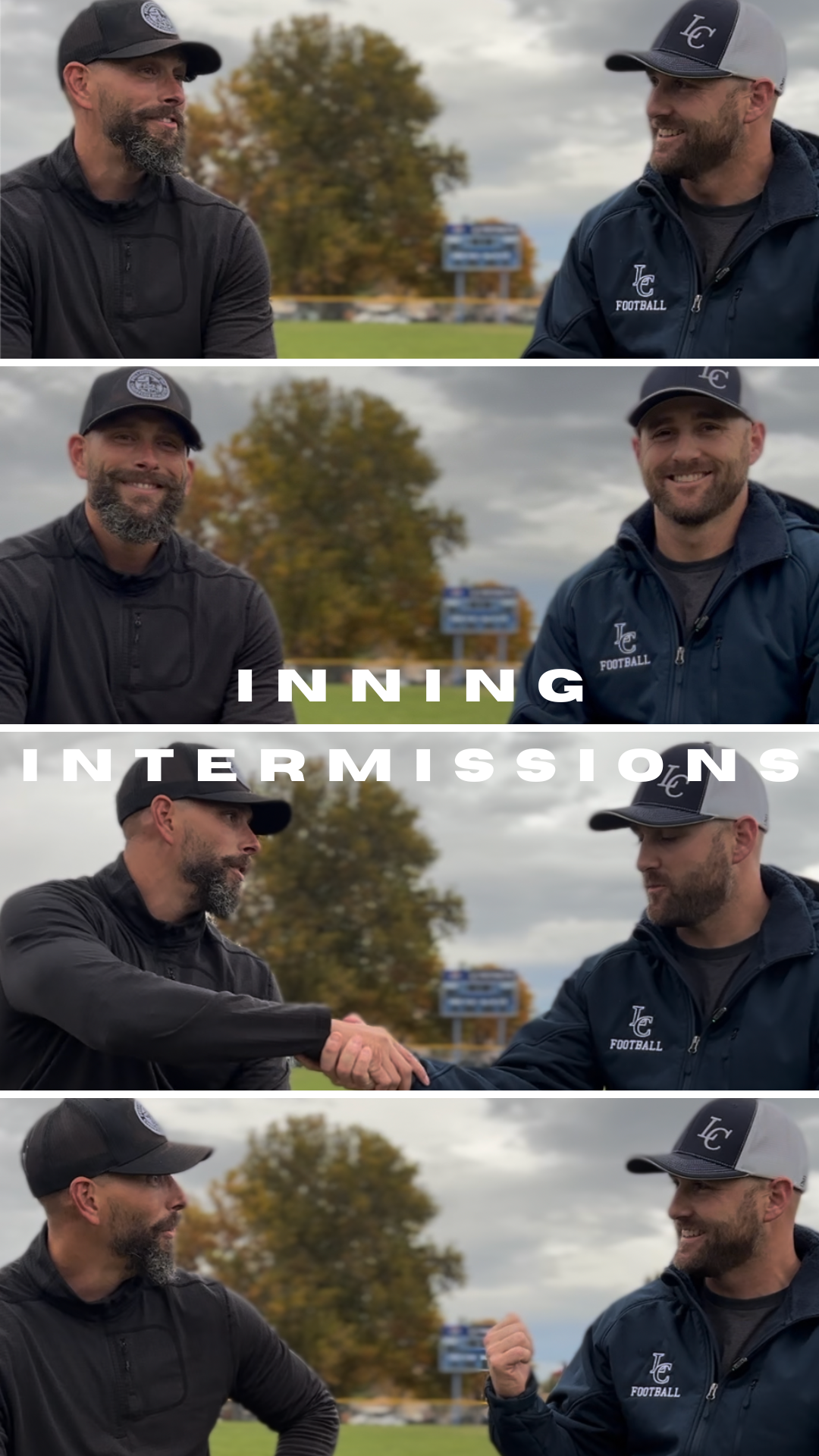
The Secret Isn’t a Secret A few weeks ago on my Inning Intermissions Podcast, I was interviewing a friend when he said something that stuck with me: “There’s no secret recipe. It’s just consistency.” That line hasn’t left my head. Because the more I think about it, the more I believe it’s true for almost everything in life. The secret isn’t a secret. So why do we struggle with this so much? As parents of young athletes, we’re constantly looking for the formula. The right trainer. The right team. The right schedule. The right camp. The right opportunity. But what if there isn’t a secret formula? What if growth is usually found in consistency? Showing up. Practicing. Encouraging. Learning. Failing. Trying again. Let the consistency of whatever they are chasing play itself out. And honestly, this doesn’t just apply to our kids. It applies to us too. If I could pass along one “secret” that really isn’t a secret for all of us to consistently dive into, it would be this: The Bible. The greatest story ever told. A story that is still unfolding. A story we are invited into. From creation in Genesis to eternity in Revelation, the Bible points us to one central figure: Jesus. The apostle Paul wrote these words while sitting in prison, reminding believers that the true secret to life was never success, status, or power. It was always Jesus. Colossians 1:27 says: “God decided to let his people know this rich and glorious secret, which is for all people. The secret is this: Christ is in you. He is our hope for glory.” We are all being guided by something. The question is: what? Culture? Social media? Success? Comparison? Fear? Or the Word of God? The secret to life really isn’t a secret. It’s a relationship with Jesus. And God’s Word leads us to Him page after page. Honestly, if I had my way, every athlete who came through FCA Sports would leave with a Bible in their hands. (I’m working on it. 🙏) FCA has an Athlete Bible. An FCA Coaches Bible. And now a brand-new Kids Bible. Because we don’t just want to develop athletes. We want to help guide people. Meet Ray After practice one night, Ray stayed behind helping put basketballs away. As the gym emptied out, his coach walked over and handed him something. It was a Bible. Ray looked surprised. His coach smiled and said, “You spend a lot of time working on your game. Don’t forget to work on your heart too.” That night Ray flipped through the pages before bed. He didn’t understand everything yet. But one verse caught his attention: “The secret is this: Christ is in you. He is our hope for glory.” The next morning, Ray brought the Bible with him in the car. Not because he had everything figured out. But because he wanted direction. Takeaway The secret isn’t a secret. Consistency matters. Consistency in practice. Consistency in encouragement. Consistency in faith. This week, make space for God’s Word in your home. Read one verse together. Ask one good question. Start one small habit. Sometimes the biggest transformation begins with the smallest consistent step. More than a league. It’s a mission. Win The Day, Troy Farley FCA Sports Leagues Director
Currently Reading
February 18, 20263 Minute Read
Parent Corner #21
The Picture in Their Head A couple weeks ago I had the opportunity to speak at Hungry Gen Youth. During the message I shared a simple idea that has stuck with me since. Every person carries a picture in their head of who they think they are. That picture forms over time. It can come from a lot of places. Sports. Parents. Coaches. Friends. Social media. Success. Failure. Labels. Over time, the picture in our head becomes the way we see ourselves. For young athletes, that picture can change quickly. One bad game. One injury. One coach’s decision. One comparison. Suddenly the picture in their head starts saying things like: “I’m not good enough.” “I always mess things up.” “I’ll never be that good.” As parents, this is where our voice matters more than we realize. Because sometimes the picture our kids are carrying simply isn’t the right one. Truth – The Story of Peter In John 21 we find Peter carrying a wrong picture of himself. Just days earlier, Peter had denied Jesus three times the night Jesus was arrested. Even though Jesus had risen from the dead, Peter was still carrying the weight of that moment. Imagine the picture in Peter’s head: “I failed Him.” “I blew it.” “I’m not the leader anymore.” So Peter does what a lot of people do when they feel like they’ve failed. He goes back to what he used to do. John 21:3 says Peter told the others, “I am going fishing.” But Jesus wasn’t finished with Peter. When Jesus meets the disciples on the shore that morning, He doesn’t shame Peter. He doesn’t lecture him. He cooks breakfast. Then Jesus asks Peter three times, “Do you love me?” Why three times? Because Peter denied Jesus three times. Three denials. Three restorations. Jesus wasn’t reminding Peter of his failure. He was restoring his identity. Peter showed up that morning believing, “I’m the guy who failed.” Jesus tells him something different: “Follow me.” Not “try harder.” Not “earn your way back.” Just follow me. Jesus gives Peter a new picture of who he is. Meet Ray Ray had a tough game. Nothing seemed to go right. Missed shots. Turnovers. A couple mistakes that stuck in his head long after the game ended. On the drive home Ray sat quietly and finally said, “I think I’m just not very good.” His dad glanced over and said, “Who told you that?” Ray shrugged. “It just feels like it.” His dad paused for a moment and then said, “One game doesn’t get to decide who you are.” Later that night Ray thought about that. The mistakes were still real. But they didn’t get to define him. The picture in his head started to shift. Takeaway Our kids are forming pictures of who they think they are every day. Our job isn’t just to coach their performance. It’s to help shape their identity. Remind them: You are loved. You are chosen. You are capable. You belong. And most importantly, their identity isn’t built on a scoreboard or a stat line. It’s built on who God says they are. Sometimes the greatest thing we can do as parents is help our kids exchange the wrong picture in their head for the right one. Win The Day, Troy Farley FCA Sports Leagues Director

February 18, 20262 Minute Read
Parent Corner #20
Rest “Rest precedes blessing. We don’t have to run to earn rest; we run fueled by a posture of rest.” — Rebekah Lyons Rest can feel like a foreign concept for many of us as parents. Culture tells us something different. Stay busy. Fill the calendar. Keep the kids moving. Practices, lessons, training, games. If the schedule isn’t full, it can feel like we’re falling behind. But what if that’s not the way it was meant to be? Rest isn’t the opposite of hard work. Rest is part of the rhythm of it. Without rest, we’re missing a piece of the puzzle. God modeled this from the very beginning. In creation, He worked and then He rested. Not because He was tired, but because rest was always meant to be part of the rhythm of life. Jesus modeled the same thing. Throughout the Gospels, we see Him stepping away from crowds and even His closest disciples to spend quiet time with His Father. He paused. He breathed. He rested. As parents of young athletes, maybe one of the best gifts we can give our kids is not just teaching them how to work hard — but showing them how to rest well. Because athletes who learn to rest learn something deeper than recovery. They learn trust. Meet Ray Ray had a busy stretch of games and practices. One Saturday morning, he grabbed his glove and asked his dad if they could go hit at the field again. His dad smiled and said, “Not today.” Ray looked surprised. “Why not?” “Because today is a rest day,” his dad said. “Even athletes need to rest so they can come back stronger.” Instead of heading to the field, they spent the afternoon together — a walk, a meal, and some time talking about life. Later that night Ray said, “I think I needed that.” Sometimes the best thing we can do for our kids isn’t pushing them forward. Sometimes it’s helping them pause. Takeaway Rest isn’t weakness. It’s rhythm. This week, look for one small way to model rest in your home — slowing down, stepping away, or simply choosing presence over productivity. Win The Day, Troy Farley FCA Sports Leagues Director
February 11, 20263 Minute Read
Parent Corner #19
Hey FCA Families, Last week, Zenon — our very own Tri-Cities Multi-Area Director — along with me and several FCA staff from our community, headed to Orlando for Real Time 2026, a global FCA gathering that happens every couple of years. Staff from all over the world came together — over 2,500 strong — different languages, different sports, different cities, but one mission. The theme this year was simple: Faithful. During one of the main sessions, Zenon and I had the opportunity to step onto that stage and share what God is doing through FCA Sports Leagues all the way back home in Tri-Cities, Washington. In front of over 2,500 FCA staff from around the world, we told the story of what has been unfolding in our community. The heartbeat has always been partnership — local churches and FCA coming together to engage the next generation where they already are, equip coaches to disciple beyond the scoreboard, and empower families to grow in faith inside sports environments that feel both competitive and deeply intentional. And as we shared, it was clear — what was being celebrated in Orlando wasn’t hype. It was faithfulness. Faithfulness in the quiet seasons. Faithfulness when the fields were empty. Faithfulness when it felt small. Faithfulness week after week, 46 weeks a year. What the world saw on that stage started right here — with you Because faithfulness isn’t just a ministry word. It’s a parenting word. It’s a character word. It’s a life word. All In – Resurrection Through Obedience (Week 8) In All In, Mark Batterson writes: “Without a crucifixion there can be no resurrection.” Growth almost always requires sacrifice. What feels like loss can become life when it’s offered to God. That’s true in ministry. It’s true in parenting. It’s true in youth sports. Sometimes faithfulness looks like staying when it would be easier to quit. Encouraging when you’re tired. Showing up when it’s inconvenient. Trusting when the outcome isn’t clear. Resurrection moments are built on obedience in the ordinary. Meet Ray Ray had a stretch of games where he didn’t score much. He practiced hard, but the results didn’t show up the way he hoped. One night he asked, “Why isn’t it working?” His dad said, “Sometimes growth happens before results. You stay faithful first.” The next week at practice, Ray kept showing up. He kept encouraging teammates. He kept working. There wasn’t a dramatic moment. No buzzer-beater. No applause. But there was growth. And that growth was real. Takeaway: Faithful isn’t flashy. It’s obedient. It’s steady. It’s showing up when it would be easier not to. This week, talk as a family about a season that required sacrifice — and how God used it to grow you. Win The Day, Troy Farley FCA Sports Leagues Director
February 4, 20263 Minute Read
Parent Corner #18
There’s a lie I think we’ve bought into—not just in youth sports, but in sports in general. The lie is this: the win is the win. If the scoreboard says we won, we succeeded. If it says we lost, we failed. But if the win is the win, then someone always fails. Someone always walks away defeated. That can’t be the full story. That can’t be the measure of success for our kids—or for us. Nick Saban puts it this way: “Success is not a continuum of winning and losing. It’s a continuum of learning and improving.” That changes everything. If success is about learning and improving, then the game is bigger than the scoreboard. There has to be more.
And there is more. The process.
The journey.
The work.
The teammates.
The play.
The fun.
The game itself. Those things matter long after the scoreboard resets. All In – Integrity and Identity (Week 6) In All In, Mark Batterson writes: “Talent depreciates over time… But you don’t have to lose your integrity.” Skills fade. Speed slows. Seasons end. But character remains. If our kids learn to tie their identity to wins and losses, they will ride an emotional roller coaster their entire lives. But if they learn to tie their identity to character—to effort, integrity, teamwork, and faith—they build something that cannot be taken away. The real win is becoming the kind of person who does the right thing when it’s hard. The kind of teammate who competes with integrity whether the score favors them or not. Meet Ray Ray’s team lost a close game. The final shot rimmed out, and the gym went quiet. On the walk to the car, Ray felt the weight of it. He kicked at a rock in the parking lot and said, “We failed.” His dad stopped and gently said, “Did you play hard?” “Yes.” “Did you encourage your teammates?” “I think so.” “Did you respect the refs and your coach?” Ray nodded. His dad smiled. “Then you didn’t fail. The scoreboard says one thing. But the real win is who you’re becoming.” Ray thought about that on the drive home. The loss still stung. But it didn’t define him. Takeaway: The win isn’t the win. Character is the win. This week, have a conversation as a family about integrity—at school, at work, and at home. Choose one integrity decision and commit to it together. That’s the kind of victory that lasts. Win The Day, Troy Farley FCA Sports Leagues Director
January 28, 20263 Minute Read
Parent Corner #17
This week, I had the chance to watch my oldest practice for her first tryout to make a club softball team. I felt a lot of things standing there.
A little nervous.
Really excited.
But more than anything—I felt proud. Proud of who she is.
Proud of her bravery.
Proud of her work ethic. And in that moment, I felt a quiet reminder settle in my heart: these moments don’t last forever. As parents of young athletes, it’s easy to slip into coaching mode—analyzing reps, correcting form, replaying mistakes on the drive home. But this week, my challenge to myself (and to all of us) was simple: Stop coaching. Start noticing. Smile. Say “good job.” Give them a hug. Let them figure out the journey. One day, these practices and tryouts will be memories. And when that day comes, I want to remember that I was present—not just instructive. All In – Risk and Faith in Action (Week 5) In All In, Mark Batterson writes: “If you let fear dictate your decisions, you will live defensively… Living by faith is playing offense with your life.” That line connects deeply to moments like this. Our kids take risks every time they step into a tryout, a game, or a new challenge. They’re learning courage in real time. But sometimes, our fear—fear of failure, disappointment, or discomfort—can creep into how we respond. Living by faith doesn’t mean protecting our kids from every hard moment. It means trusting God enough to let them step forward, learn, and grow. It means encouraging effort over outcome and bravery over perfection. Faith is active.
Courage is practiced.
And growth happens when we allow our kids to take the next step on their own. Meet Ray Ray stood at the edge of the gym waiting for his turn in a new drill. He wasn’t sure how it would go. He looked over at his parents, hoping for a signal or some advice. Instead, his dad caught his eye, smiled, and gave him a thumbs-up. No instructions.
No reminders.
Just encouragement. Ray took a deep breath and stepped in. It wasn’t perfect. But it was his. After practice, his dad wrapped him in a quick hug and said, “I loved watching you try.” Ray walked out taller than he walked in—not because of how he performed, but because he felt trusted. Takeaway: This week, resist the urge to coach every moment. Take it in. Celebrate courage. Encourage effort. Let your child take the risk and walk the journey. Sometimes the greatest gift we give our kids is our presence, not our instruction. Win The Day, Troy Farley FCA Sports Leagues Director

January 21, 20263 Minute Read
Parent Corner #16
A quote shared recently by Pastor Micah at Faith Tri-Cities has stayed with me: “Discernment STEPS back.” That simple phrase applies to almost every part of life — parenting, marriage, leadership, and especially youth sports. Life can move fast. Games move fast. Emotions move fast. And when things move too fast, that’s often when mistakes are made. The same is true in how we communicate with our kids and our spouses. When emotions rise, our instinct is often to talk more, explain more, correct more, or point out what went wrong. But discernment doesn’t rush forward. It steps back. Stepping back creates space. Space to listen. Space to breathe. Space to understand what’s really going on beneath the surface. All In by Mark Batters (Order Here) Letting Go and Letting God In All In, Mark Batterson describes surrender with a powerful image from the story of Moses: “Throwing down your staff is letting go and letting God.” Moses’ staff represented control, security, and familiarity. God asked him to release it — not because it had no value, but because surrender always comes before transformation. This connects directly to discernment. When we move too fast, we often cling tightly to control: control of the outcome, control of the conversation, control of being right. But discernment steps back. It loosens its grip. It creates space for God to lead instead of forcing our own solution. In parenting, marriage, and leadership, letting go doesn’t mean we stop caring. It means we stop rushing. We release control long enough to listen, pray, and respond with wisdom. That kind of surrender is not passive. It’s faithful. And it creates room for God to work. Meet Ray Ray came off the court frustrated after a tough practice. A drill hadn’t gone well, and his coach had corrected him in front of the team. Ray tossed his water bottle down and crossed his arms. At first, his dad was ready to jump in with advice. He had plenty of thoughts. Plenty of solutions. Plenty of words. But then he paused. Instead of correcting Ray or replaying the mistake, he said, “Do you want to talk about it?” Ray shrugged, then quietly said, “I just felt embarrassed.” They sat for a moment. No fixing. No lecturing. Just space. A few minutes later, Ray took a deep breath and said, “I think I know what I need to work on.” That moment didn’t need more information. It needed discernment. And discernment stepped back. Takeaway: This week, make space. Step back before stepping in. Listen. Breathe. Then act. Discernment often does its best work when we slow down enough to truly see what’s happening. Win The Day, Troy Farley FCA Sports Leagues Director
January 14, 20263 Minute Read
Parent Corner #15
A Question That Changes Everything This week, we pause to remember and celebrate the life of Martin Luther King Jr.. Among the many powerful words Dr. King shared, one question continues to challenge us today: “Life’s most persistent and urgent question is, ‘What are you doing for others?’” That question cuts straight to the heart. It shifts the focus away from self and toward service. And it matters deeply in youth sports, where it’s easy to measure success by points, minutes, and wins instead of character and impact. This question fits perfectly with our season theme: TEAMMATE. Because at its core, being a great teammate is about choosing others over self. All In – By Mark Batterson In All In, Mark Batterson writes: “If Jesus is not Lord of all, then Jesus is not Lord at all.” That statement is bold, simple, and uncomfortable — and that’s the point. Being all in doesn’t mean partial commitment or selective obedience. It means surrendering every area of life, including how we treat people when no one is keeping score. Being all in as a teammate looks like choosing encouragement over criticism. Humility over attention. Service over spotlight. When kids learn this early, they begin to understand something Dr. King lived out so clearly: a life centered on serving others is a life that truly matters. Meet Ray Ray had just finished a game where he played well. He scored. He hustled. He did his part. But as the team walked off the court, Ray noticed one of his teammates sitting quietly at the end of the bench, shoulders slumped. Ray hesitated. He wanted to find his parents. He wanted to talk about his own game. But something stopped him. Earlier that week, his coach had said, “Great teammates ask one question: Who needs me right now?” Ray sat down next to his teammate and said, “Hey, I’m glad you’re on our team.” The teammate looked up and smiled. It wasn’t a long conversation. Nothing was fixed. But something changed. On the drive home, Ray realized something important. Being all in as a teammate didn’t mean giving more effort on the court. It meant giving more of himself to the people around him. Takeaway: Dr. King’s question still challenges us today: What are you doing for others? This week, help your child look for simple, everyday ways to serve their teammates. That’s what being all in looks like — on the court and in life. Win The Day, Troy Farley FCA Sports Leagues Director
January 7, 20263 Minute Read
Parent Corner #14
Every Face Has A Story I recently finished reading a novel called Theo of Golden by Allen Levi, and one simple line from the book has stayed with me: “Every face has a story.” It’s a powerful reminder — especially in youth sports. Every player on the court, every teammate on the bench, every coach, referee, and parent in the stands is carrying something we cannot see. That truth fits perfectly with our season theme: TEAMMATE. Being a great teammate starts with awareness. With empathy. With choosing to see people as more than performances, mistakes, or roles. When kids learn this early, it shapes how they treat others not just in sports, but in every part of life. All In – Seeing People Differently Our book for the season, All In by Mark Batterson, challenges us to live with full commitment — not just to goals, but to people. Being “all in” means we don’t live halfway aware or halfway engaged. We show up fully. We care deeply. We love intentionally. Being all in as a teammate means recognizing that encouragement matters just as much as effort, and that understanding people matters just as much as winning games. When we teach kids to be all in with people, we teach them how to lead, serve, and love well. Meet Ray Ray noticed something during practice that week. One of his teammates — usually the loudest kid in the gym — was quiet. He missed a few shots, dropped his head, and kept to himself. At first, Ray felt frustrated. “Why isn’t he trying?” he thought. Then he remembered something his coach had said earlier in the season: “Every face has a story. Be curious before you’re critical.” During a water break, Ray walked over and asked, “You okay?” The teammate shrugged. “My grandma’s in the hospital. I didn’t sleep much.” Ray didn’t know what to say, so he did the one thing he could. He stayed. He listened. And later, when his teammate finally made a basket, Ray was the first one clapping. On the drive home, Ray realized something. Being a teammate wasn’t about fixing people. It was about seeing them. Takeaway: Every face has a story. This week, help your child slow down, look around, and choose empathy. The best teammates don’t just play the game well — they see people well. Win The Day, Troy Farley FCA Sports Leagues Director
December 17, 20253 Minute Read
Parent Corner #13
Bigger Than Basketball Welcome back. We’re excited to kick off January and February basketball for our 8–12 year olds. This season includes 225 athletes, but as always, the purpose is bigger than basketball. Every practice, every game, every huddle is an opportunity to shape hearts, habits, and character. We’re grateful you’ve chosen to be part of this journey with us. As we step into this next stretch of the season, our theme continues to be the same: TEAMMATE. Our Vision This Season Being a great teammate is more than passing the ball or cheering from the bench. It’s about how kids treat one another. How they respond to adversity. How they show respect to coaches, officials, classmates, siblings, and parents. Our goal is to help kids learn to put others first — on the court, at home, in the classroom, and in our community. When kids learn to be great teammates, they become better athletes. Better students. Better friends. Better leaders. This season, we want to reinforce that message intentionally through a new book. This Season’s Book: All In By Mark Batterson Learn more about the book HERE If our last book The Circle Maker taught us to pray bold prayers, All In challenges us to live bold lives. The central idea is simple: following Jesus is not a half-hearted decision. It’s a daily choice to give our best effort, our full attention, and our whole heart — even when it’s uncomfortable or unnoticed. This fits perfectly with our TEAMMATE theme. Great teammates don’t play halfway. They show up. They commit. They give their best for the good of the group. Over the next several weeks, we’ll pull simple, practical truths from All In to help parents, athletes, and coaches think about commitment, effort, and what it looks like to live with purpose. Meet Ray Ray walked into the gym for the first practice of the new season and immediately noticed how loud it was. New faces. New teams. New expectations. He bounced the ball nervously while the coach talked. During a drill, Ray missed an easy layup and felt his shoulders drop. Before he could say anything, a teammate jogged over and said, “You’ve got the next one.” Ray nodded and smiled. Something felt different. Instead of worrying about his mistake, he focused on the next play. He hustled back on defense, passed the ball, and encouraged someone else. On the drive home, Ray thought about it. Basketball felt more fun when it wasn’t all about him. Being a teammate didn’t make the game smaller — it made it better. Takeaway: This season is bigger than basketball. As we begin January and February, let’s help our kids learn what it means to be all in — committed teammates who show up, encourage others, and play with purpose in every area of life. Win The Day, Troy Farley FCA Sports Leagues Director
December 10, 20253 Minute Read
Parent Corner #12
Luke 2:52 There is a simple and powerful verse that captures what healthy growth looks like in the life of all of us: “Jesus grew in wisdom and in stature and in favor with God and all people.” Luke 2:52 This single sentence gives us four areas of growth — the same four areas we hope to see in every FCA coach, athlete, and family: Wisdom Strength Faith Relationships These are the areas that shape a child not only in sports, but in school, in the community, at home, and throughout their entire life. This is at the heart of what we mean when we talk about emPOWERed Kids. We aren’t just developing athletes and coaches. We are helping shape whole people. This brings us to Week 5 of The Circle Maker. Week 5 – Don’t Quit (From The Circle Maker) Week 5 reminds us that meaningful growth takes perseverance. Dreams do not develop overnight. Prayers often unfold slowly. And God-shaped growth is almost always the result of steady steps taken faithfully over time. Jesus grew in wisdom, strength, faith, and relationships. These four areas were not built in a moment. They were built through consistency, patience, challenge, and trust. Growth happens in the ordinary. In repetition. In choosing not to quit when progress feels slow. That is the kind of mindset we want to pass on to our kids — in sports and in life. Meet Ray Ray had been working on his ball-handling for weeks, circling cones in the driveway every night. But lately he felt stuck. His crossover still felt slow. His confidence dipped. One evening he told his mom, “I don’t think I’m getting better at all.” She pointed to a note on the fridge with Scripture he had memorized earlier in the season: “Jesus grew in wisdom and in stature and in favor with God and all people.” She said, “Ray, growth isn’t always loud. Sometimes it’s quiet and steady. Keep showing up. It matters.” At practice the next day, Ray hesitated before the same ball-handling drill that had been frustrating him. But he remembered the verse. He remembered not to quit. He leaned in, focused, and finished stronger than he began. It wasn’t dramatic. It wasn’t perfect. But it was growth in all the right areas. Takeaway: Luke 2:52 gives us the four areas of growth we hope to build into every athlete, coach, and family: wisdom, strength, faith, and relationships. These do not grow overnight. They grow through steady effort, daily choices, and refusing to quit. That is the to becoming emPOWERed. Win The Day, Troy Farley FCA Sports Leagues Director