

SIDELINES TO SUNDAY
I need to be real with you, parents.
I struggle with Sundays. More specifically, I struggle with the gap between our Saturday sidelines and our Sunday mornings.
Sunday comes. We smile. We show kindness. We raise our hands in church. Our kids sit beside us. In that setting, living out our faith can feel pretty comfortable.
But rewind 24 hours.
- Your kid didn’t play enough.
- Your kid had a bad game.
- Their team lost badly.
- You didn’t like the officiating, your coach’s decisions, or how the opposing coach handled their team.
Shall I go on?
I see it every week.
- I hear it.
- I experience it.
- The outbursts.
- The dirty looks.
The league gets blamed. I get blamed. There are rude emails, passive-aggressive texts, and hard phone calls.
And here is my part: I have lost my cool on some of those calls. Some have ended with someone hanging up. I’m responsible for how I respond, and there are conversations I wish I had handled better. Leading a faith-based league doesn’t give me a pass.
I’m in this conversation too.
People sometimes wonder why I’m so passionate about the sidelines. Because I believe they reveal things about us that we need to pay attention to.
- How do we respond when we don’t get our way?
- When our child struggles?
- When someone makes a mistake that affects our family?
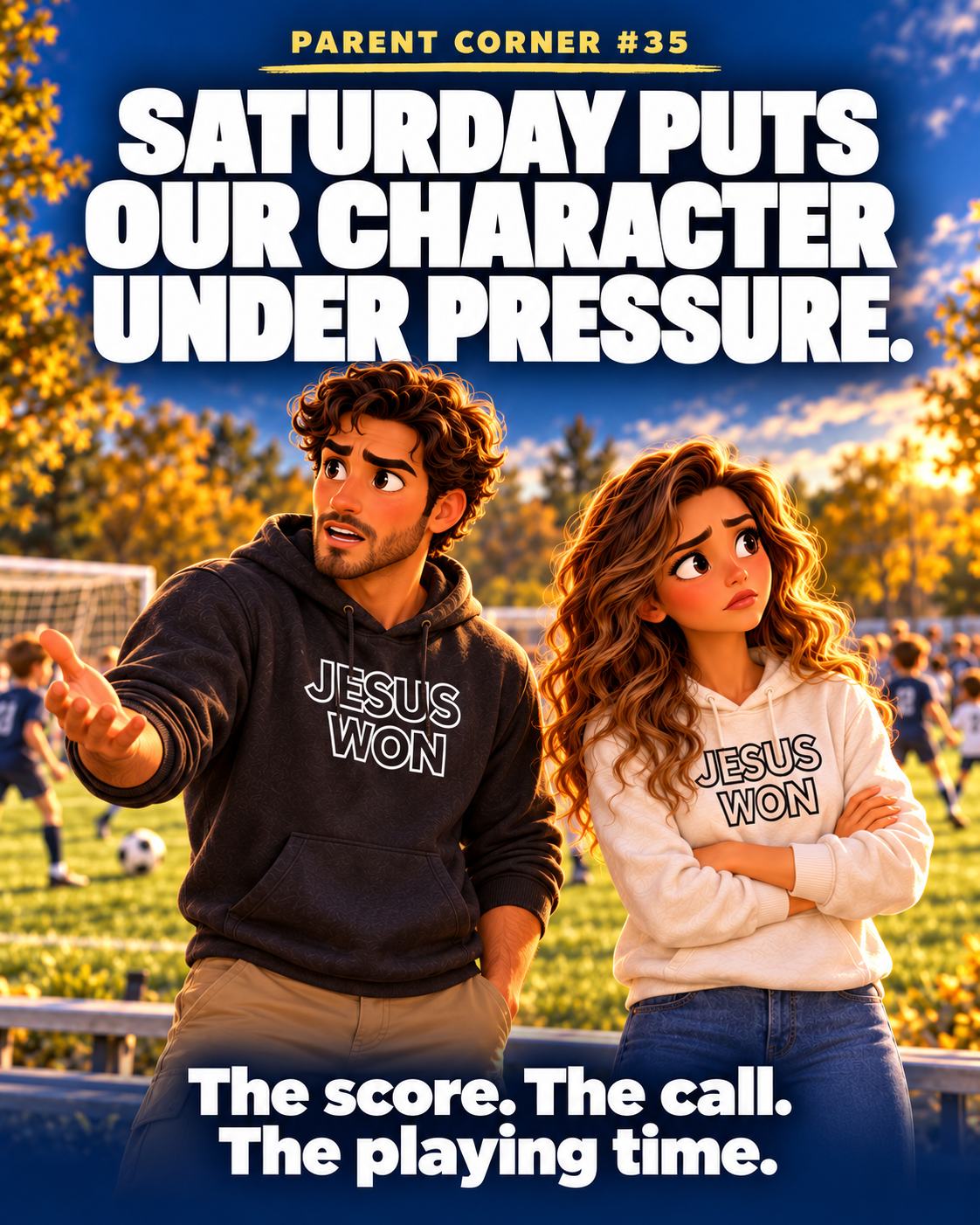
Those moments put our character under pressure. And our kids are right there, watching.
I’m concerned about how quickly we step in to remove every disappointment. How easily protecting our kids becomes blaming someone else.
How much of our character we’re willing to surrender over a 45-minute youth recreational game.
The game matters to our kids. I understand that. But that Saturday score will not determine their future. The way we teach them to handle it can help shape it.
Let’s get even more real.
Your athlete might not be very good at this sport yet. Their team might struggle all season. They might play their hardest and still lose by a lot.
That is a reality we have to leave room for. It says nothing about their worth, how deeply they are loved, or what they can become.
They need adults who can help them face disappointment without treating every difficult experience as an injustice.
- Ask questions. Bring concerns.
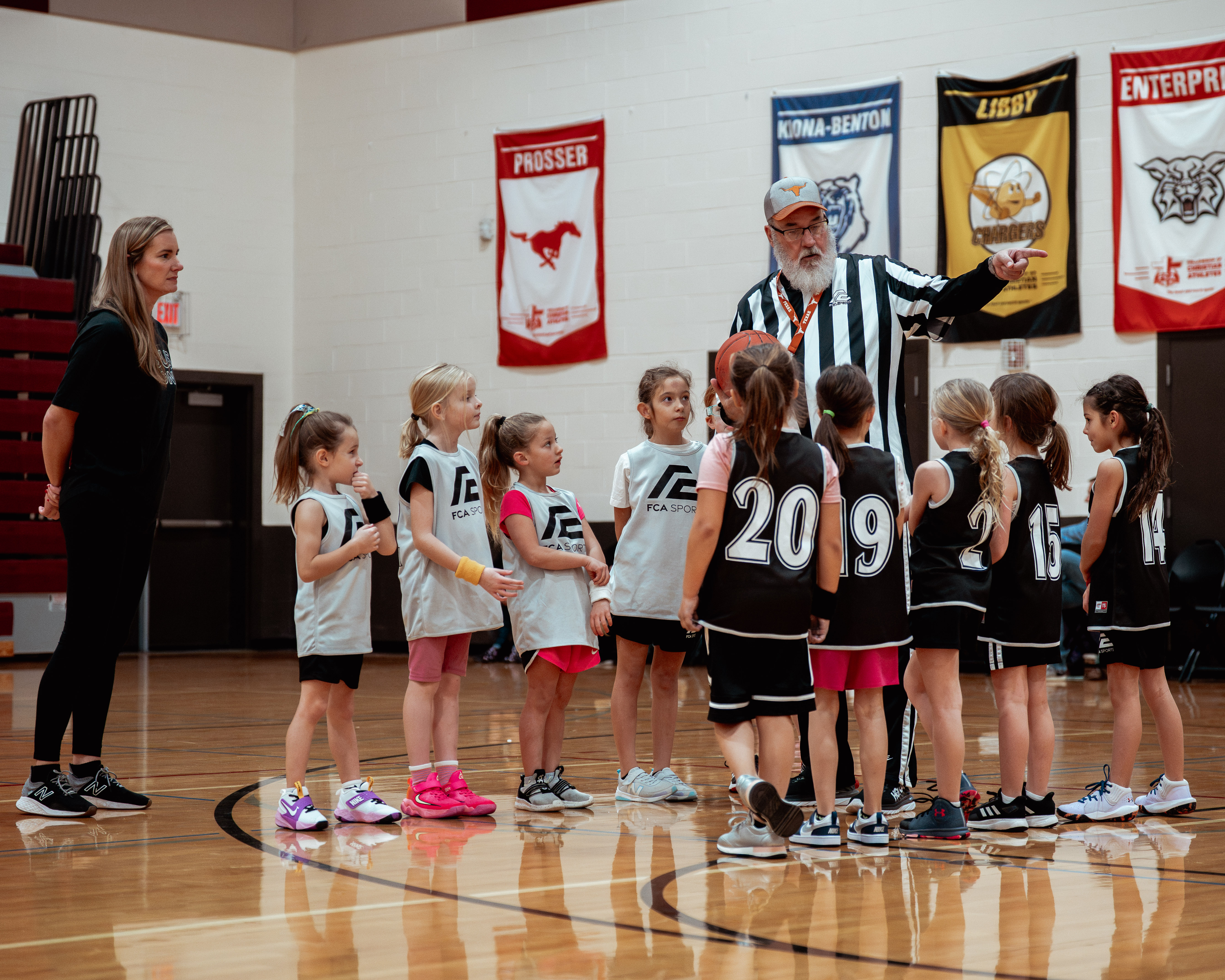
- Hold us accountable. We have things to improve too.
- We can have those conversations with honesty and respect.
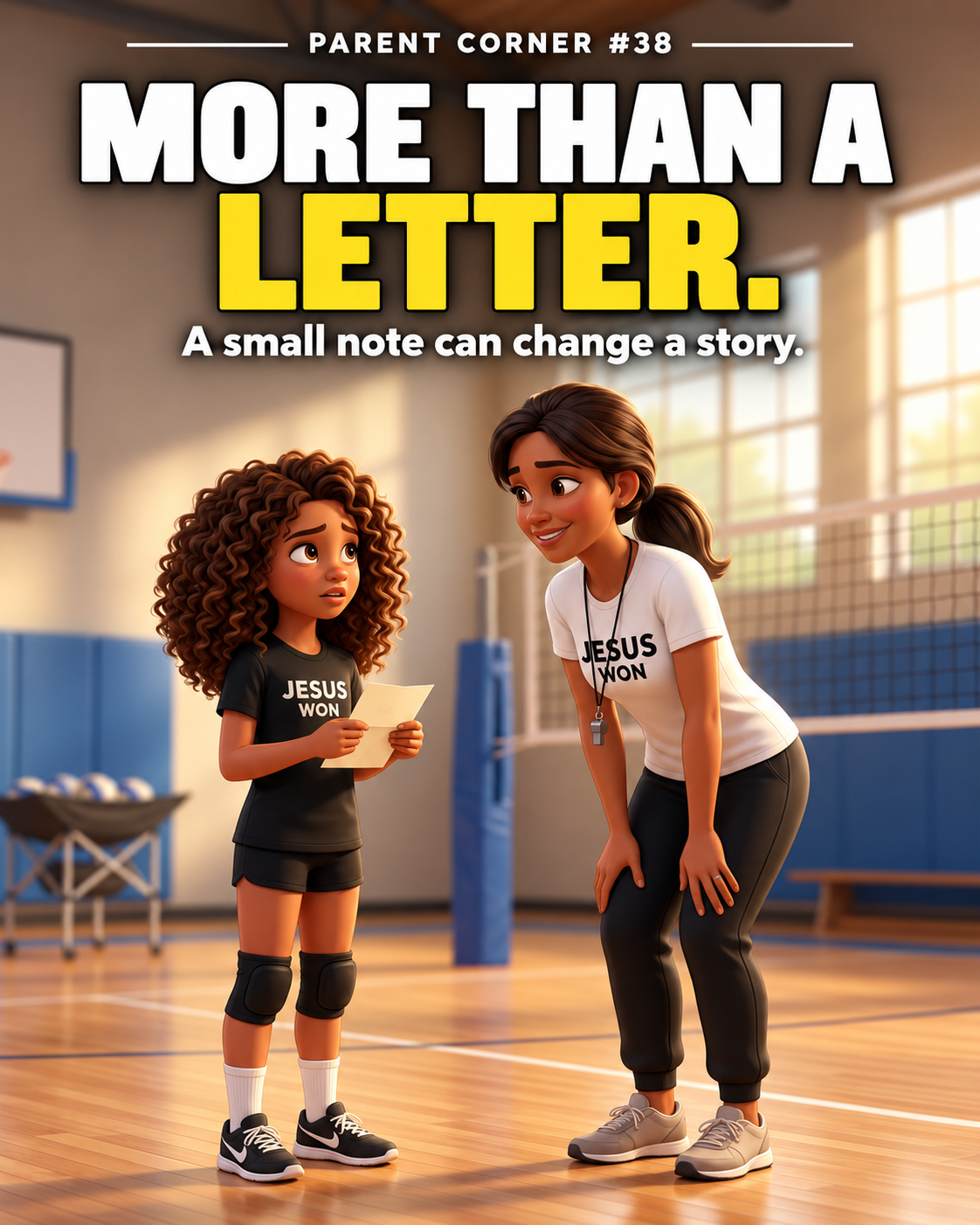
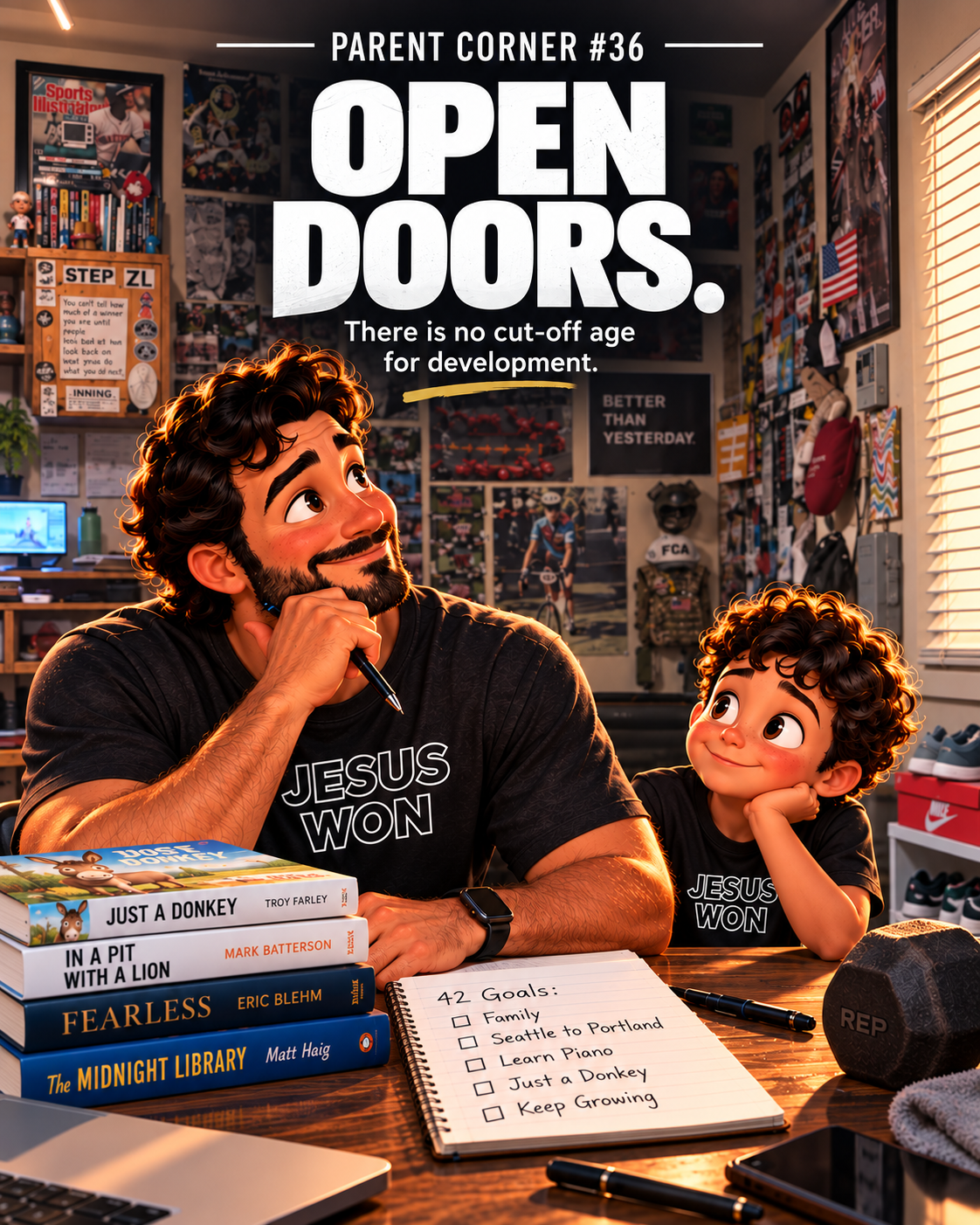
And about the cartoons I create, the stories I share, and the JESUS WON shirts I wear—please understand how seriously I take the message behind them.
Those stories carry the things I want our families to wrestle with:
- Character
- Responsibility
- Forgiveness
- Courage
- How we treat people when life gets hard.
There is a deeper message in them for us as parents too.
My love for Jesus is where I find strength to keep showing up, have hard conversations, set boundaries, and own my mistakes. It also calls me to apologize when I fall short.
Being a faith-based league means we should be willing to practice all of that.
Here is why I’m writing this
If we can raise our hands on Sunday after tearing people down on Saturday, without stopping to recognize that something needs to change, our theology is off.
What we say we believe about Jesus needs to reach the way we treat people. Including me, our referees - coaches - other parents my - the people answering our emails.
I’ve done this long enough, had enough conversations, and watched enough sidelines to know we need to talk about this honestly.
Our kids need to see us live our faith when the score is ugly, the call goes against us, and we are frustrated. They also need to hear us say, “I handled that poorly.” - “ I’m sorry.”
Me included.
I will keep fighting for the sidelines. I will keep caring about your kids and the adults we are becoming in front of them.
But I won’t promise you that your child’s team won’t get blown out again.
We all have growing to do when it happens.
Win The Day,
Troy Farley
Tri-Cities FCA Sports Leagues Director